Understanding Common Washer Issues
Washer problems can disrupt your daily routine, resulting in inconvenience and frustration. From a washer that won’t spin to one that leaks during or after use, there are numerous issues that can arise, each requiring different troubleshooting and repair approaches. Understanding these common washer problems can help you identify the issue quickly and decide whether to tackle it yourself or call in a professional. For comprehensive assistance, consider reaching out to Washer Repair services that offer expertise across various brands and models.
What Causes a Washer Not to Spin?
A washer that refuses to spin can be particularly frustrating, leaving your clothes drenched. Common causes include:
- Faulty Lid Switch: This safety feature prevents the washer from spinning if the lid is not securely closed.
- Broken Drive Belt: If the belt that connects the motor to the drum is damaged or broken, the drum won't spin.
- Unbalanced Load Sensor: Overloaded or unevenly distributed laundry can trigger a safety mechanism that prevents spinning.
Diagnosing the specific cause often requires a professional technician who can inspect these components accurately.
Identifying Leaks During the Washing Cycle
Water leaks can stem from various parts of your washer. Here are the primary culprits:
- Worn Door Seal: A damaged rubber seal can lead to leaks during the wash cycle.
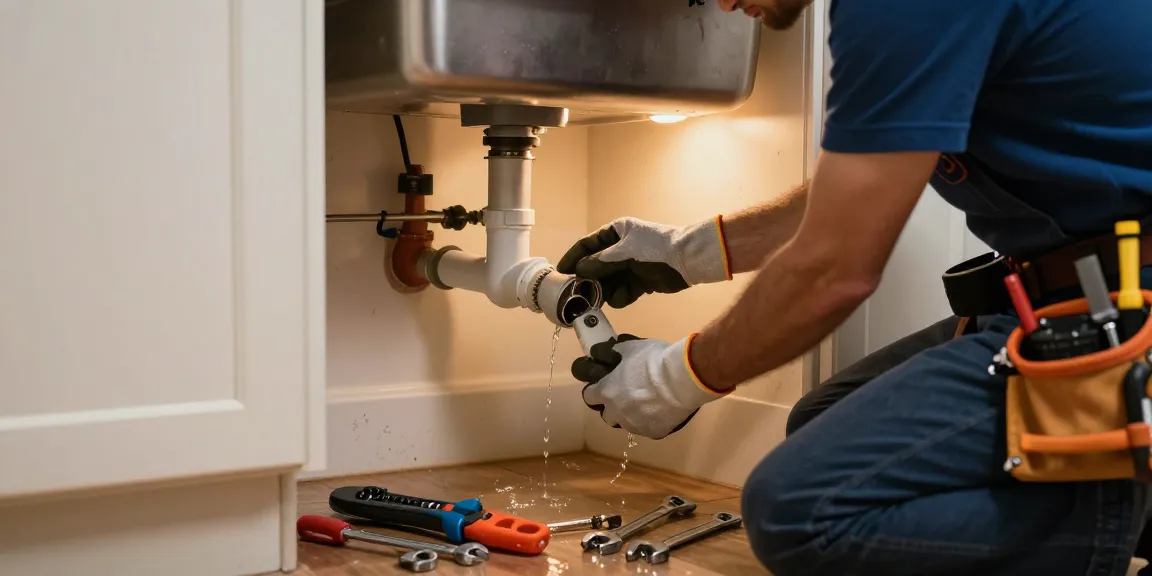
- Loose Hoses: Hoses that aren't tightly connected can result in water pooling beneath your washer.
- Cracked Drain Pump Housing: Any cracks in this part can lead to significant leaks.
Regular inspections of these components can prevent future water damage and costly repairs.
Diagnosing Drainage Problems in Washers
If your washer is not draining properly, the issue might stem from:
- Clogged Drain Pump: Debris can block the pump, preventing it from effectively expelling water.
- Blocked Filter: Many washers include a drain filter that can become clogged over time.
- Kinked or Damaged Drain Hose: A hose that is pinched can restrict water flow.
Professional inspection is often essential to determine the root cause of drainage problems and restore proper function.
Essential Tools for Washer Repair
Whether engaging in DIY repairs or preparing for a professional service visit, understanding the essential tools for washer repair is crucial. Below are some of the must-have items you might need.
Must-Have Tools for DIY Washer Repair
Consider equipping yourself with the following tools:
- Screwdriver Set: Both Phillips and flat-head screwdrivers are necessary for disassembling your washer.
- Multimeter: This tool helps diagnose electrical issues by testing voltage, current, and resistance.
- Pliers: Used for gripping and manipulating various components.
- Wrenches: Helpful for loosening nuts and bolts.
- Towels: Always handy for cleaning up spills or leaks during repairs.
When to Call in a Professional Technician
While some washer repairs can be handled at home, knowing when to call in the experts is vital:
- If you are unsure about diagnosing a problem, it's best to consult a professional.
- Electrical issues can be hazardous; if you're not comfortable with electrical repairs, don't hesitate to seek help.
- Complex repairs involving internal components may require specialized knowledge and tools.
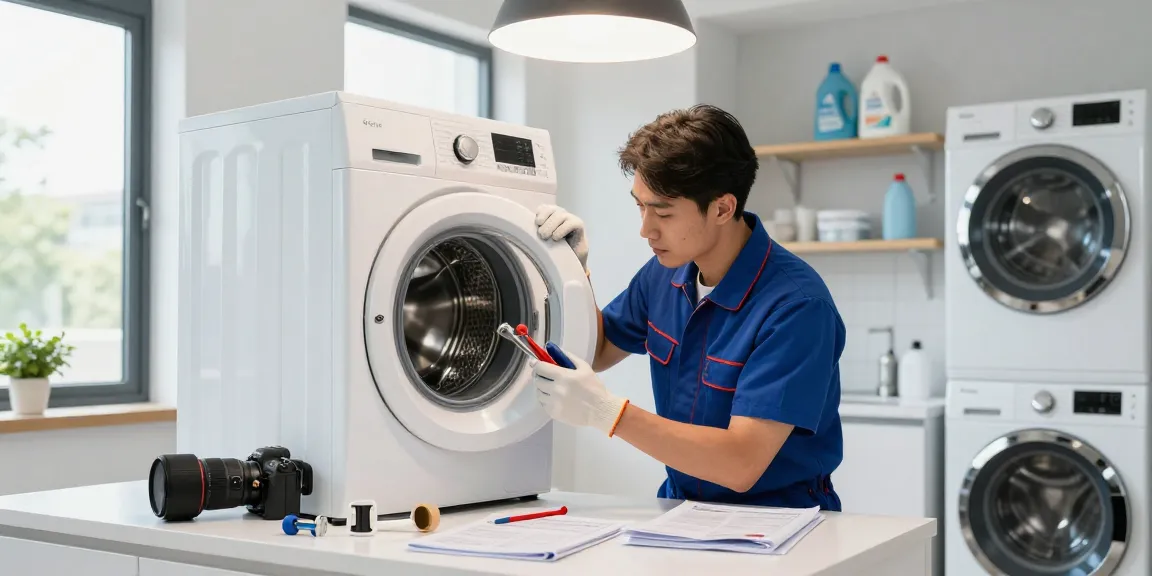
Professional technicians not only have the right tools but also the expertise to prevent further complications.
Understanding OEM Parts vs. Aftermarket
When replacing parts, you may come across two options: OEM (Original Equipment Manufacturer) parts and aftermarket parts. Here’s a brief overview:
- OEM Parts: These are made by the original manufacturer and are specifically designed for your washer. They often come with warranties but may be more expensive.
- Aftermarket Parts: These parts are made by third parties and can be less expensive. However, their quality can vary significantly.
For the best results, particularly with major repairs, OEM parts are generally recommended.
Step-by-Step Guide to Common Repairs
Being familiar with the common repairs for your washer can save you time and money. Here’s a straightforward guide for addressing typical issues.
Fixing a Washer That Won’t Start
If your washer refuses to power on, consider the following steps:
- Check the Power Supply: Ensure the washer is plugged in and the outlet is working. Test it with another appliance.
- Inspect the Door Latch: If the door isn't securely latched, the washer won't operate.
- Examine the Control Board: A malfunctioning control board can prevent the washer from starting. Testing or replacing this component usually requires professional assistance.
Repairing Drum Issues in Front-Load Washers
To address drum-related issues:
- Examine the Drive Belt: A broken or worn belt should be replaced to ensure the drum turns effectively.
- Check the Drum Bearings: Worn bearings can cause unusual noises and should be replaced promptly.
- Inspect the Shock Absorbers: These components help stabilize the drum during the spin cycle.
Resolving Excessive Shaking or Banging Issues
To mitigate excessive shaking or banging during cycles:
- Balance the Load: Ensure that the laundry load is evenly distributed in the drum.
- Level the Washer: Check that the washer is level on the floor; adjust the feet accordingly.
- Replace Worn Shock Absorbers: These should be replaced if they show signs of wear or damage.
Maintaining Your Washer for Longevity
Preventative maintenance is key to extending the lifespan of your washer. Here are some best practices to consider:
Best Practices for Preventing Washer Problems
To avoid common washer issues:
- Regularly check and clean the door seal to prevent mold and leaks.
- Avoid overloading your washer, which can strain the motor and components.
- Use the appropriate amount of detergent; too much can create excess suds that may lead to leaks.
Regular Maintenance Tips for Your Washer
Incorporate these tips into your routine:
- Run a cleaning cycle with a designated washer cleaner once a month.
- Inspect hoses and connections for wear and replace any damaged parts.
- Keep the washer and surrounding area clean and free from debris.
How to Choose Quality Detergents and Additives
Selecting the right detergents can significantly affect your washer's performance:
- Use detergents specifically designed for your type of washer (HE or standard).
- Consider using eco-friendly options to minimize environmental impact.
- Follow the manufacturer's recommendations on detergent quantities for optimal results.
Future Trends in Washer Technology
The washing machine industry is evolving rapidly, with technology continuously enhancing efficiency and user experience. Here’s what to anticipate:
Innovative Features in 2026 Washers
Future washers may include features such as:
- Intelligent Sensors: Advanced sensors that optimize water and energy use based on load size and fabric type.
- Self-Cleaning Mechanisms: Functions that proactively clean the drum and components to prevent buildup and odors.
- More Compact Designs: Space-efficient models that are perfect for urban living.
The Rise of Smart Washers and IoT Integration
Smart washers equipped with IoT technology will allow users to:
- Monitor cycle progress via mobile apps.
- Receive notifications regarding maintenance needs or faults.
- Control wash settings remotely for added convenience.
Environmentally Friendly Washer Options
With an increasing focus on sustainability, look for:
- Washers that use less water without sacrificing cleaning power.
- Energy-efficient models that lower electricity consumption.
- Materials that are recyclable and environmentally responsible.
What should I do if my washer won't drain properly?
If your washer fails to drain, first check for clogs in the drain hose and pump. If the problem persists, consider calling a professional technician who can complete a thorough inspection.
How long does washer repair usually take?
Typically, most washer repairs are completed within 1-2 hours. However, if parts need to be ordered, the repair may take longer, with no extra diagnostic fees for follow-up visits.
Are same-day washer repair services available?
Yes, many repair services offer same-day and next-day appointments, ensuring that your washer can be fixed promptly to minimize disruption.
Can you fix stacked washer/dryer combos?
Absolutely! Professional technicians are trained to service both side-by-side and stacked units, including washer/dryer combos.
Do you offer warranty on washer repairs?
Many reputable repair services offer warranties on parts and labor, providing peace of mind for customers.