When Sarah in Plano noticed crunchy grass along one side of her yard and soggy patches by the driveway, she assumed the sprinkler was broken. A closer look showed shorter run times in parts of the system and excess runoff on the slope — classic timing and distribution problems. What she needed wasn’t more water, but a smarter plan to match how, when, and where her lawn actually uses moisture.
Understand the core problem: shallow vs. deep roots and what that means for timing
Lawns fail for two basic timing reasons: watering too often for too little duration produces shallow roots, while watering too infrequently can stress turf and invite weeds. The solution is to encourage deep, resilient roots by delivering about 1 to 1.25 inches of water per week for most cool- and warm-season turf (local climate and soil affect this). For example, Kentucky bluegrass in a temperate zone needs roughly 1 inch weekly during the growing season; bermudagrass in hotter regions may tolerate slightly less in shoulder seasons but still needs deep soakings in summer.
Match frequency to soil type and turf needs. Sandy soils drain quickly and often benefit from shorter, more frequent cycles (but still aimed to total ~1 inch/week). Clay holds water longer; longer intervals with deep soakings (to reach 6–8 inches of root depth) are better. A practical test: push a screwdriver into the soil after watering — easy penetration to 6 inches indicates good infiltration.
Example setup and schedule
Challenge: 5,000 sq ft suburban lawn on mixed loam with pop-up sprinklers. Solution: Deliver 1 inch/week by running three 12-minute zones twice per week rather than daily short bursts. That encourages roots to grow down to 5–6 inches within a few weeks.
Match the right system to the watering challenge
Problem → solution is the simplest way to plan watering. Small patchy yards, large turf areas, vegetable plots and containers all demand different schedules and hardware.
- Small lawn or irregular shape: Use portable or mobile sprinklers that you can move and set for longer cycles a few times a week.
- Large in-ground lawn: Smart controllers that adjust schedules by weather and soil moisture are ideal — they reduce overwatering and handle multiple zone runtimes.
- Vegetable gardens and narrow beds: Drip irrigation gives slow, deep delivery directly to roots so you can water less often but more effectively.
- Flower beds and shrubs: Soaker hoses or drip lines run on longer, less frequent cycles to wet the root zone without runoff.
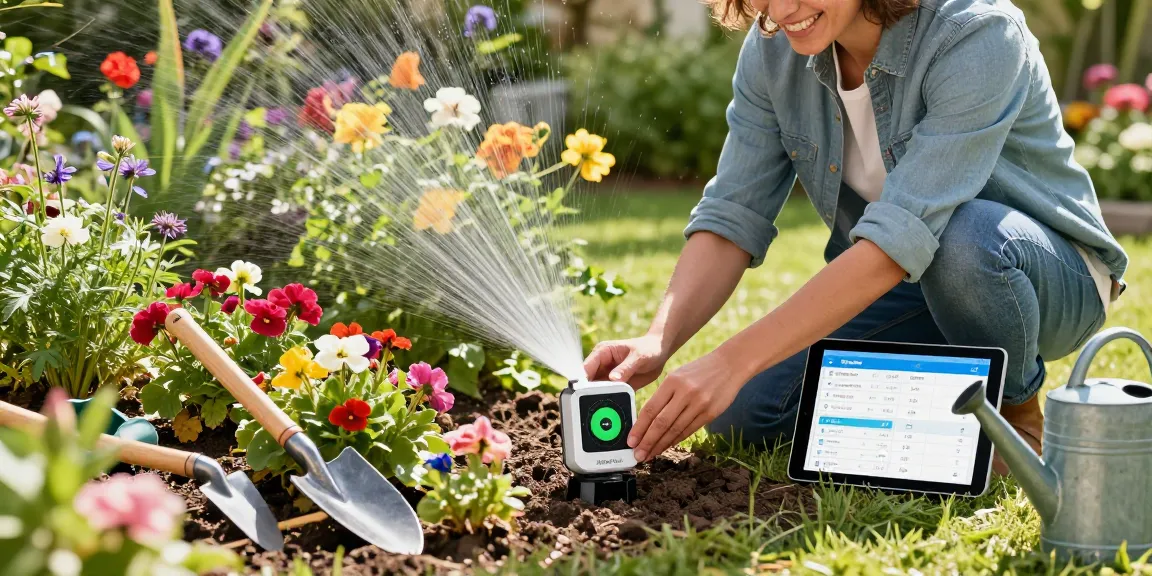
For example, a 10,000 sq ft lawn using a WiFi timer from RainPoint can schedule staggered zone runtimes to prevent pressure loss and runoff on slopes while adjusting automatically for recent rainfall.
Cycle-and-soak for slopes and clay soils
Where runoff is an issue — think compacted clay or steep slopes — split a zone’s total runtime into two or three shorter cycles separated by 20–30 minutes to let water soak in. This is the cycle-and-soak method many municipalities recommend because it reduces runoff while still delivering the needed inch of water. If you want step-by-step guidance for implementing this on a timer, check this practical how-to to learn how often to water your lawn for best results.
Smart controls, sensors, and real savings
Overwatering wastes money and can use up to half of residential outdoor water use. Smart controllers with weather-based adjustments or soil moisture sensors change watering frequency dynamically. According to EPA WaterSense, smart irrigation controllers can save homeowners about 8% to 20% on outdoor watering — in some cases more, depending on baseline habits. University extension services often recommend pairing a controller with a local evapotranspiration (ET) adjustment for best accuracy.
Concrete example: A midsize lawn that previously watered 30 minutes daily (a common wasteful habit) uses far more water than one that waters 2–3 times weekly for longer cycles. Switching to a weather-smart timer reduced one homeowner’s seasonal outdoor use by an estimated 10,000–15,000 gallons, per the EPA-style savings modeled for typical U.S. backyards.
Sensor placements and practical tips
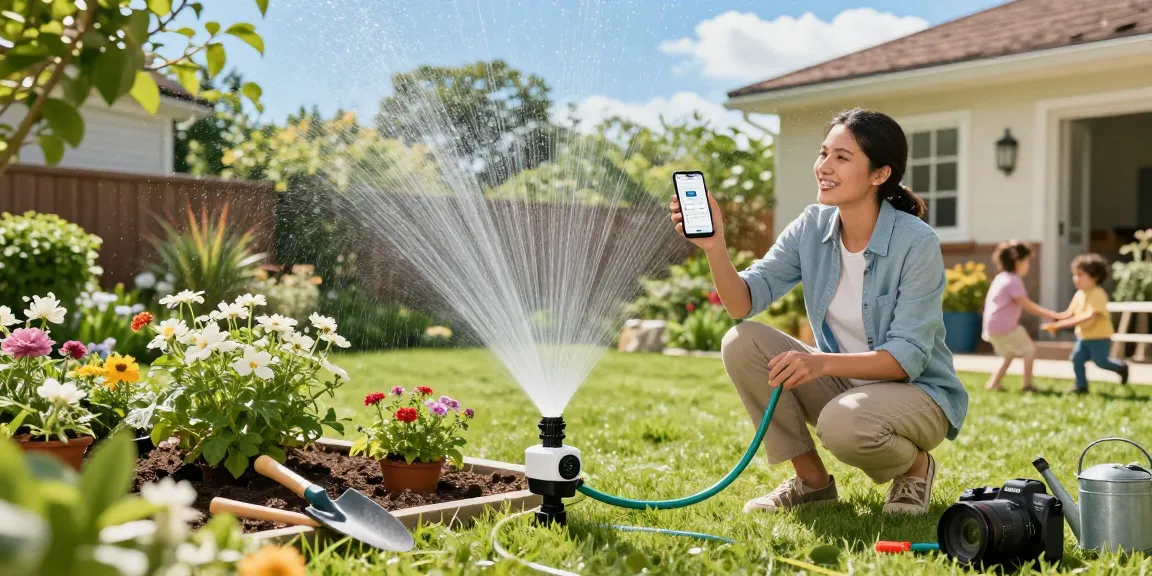
Place soil moisture sensors at root depth (3–6 inches depending on turf) and in representative spots: sun-exposed, shaded, and near irrigation heads. If you can’t use sensors, set seasonal programs: deeper, less frequent in shoulder seasons; slightly more frequent in heat waves. A WiFi timer such as the RainPoint model lets you pause schedules from your phone when storms are forecast and resume them automatically afterward.
Spot problems and fix them with targeted timing
Common watering issues are fixable once you identify the symptom and choose the right schedule or hardware.
- Brown ring or halo around sprinkler head: Indicates under-watering at the head. Increase that zone’s runtime by 10–20% and check nozzle coverage.
- Runoff on slopes or compacted soil: Use cycle-and-soak; lower the application rate by using rotary nozzles or drip to slow delivery.
- Patchy dry spots despite regular watering: Check for clogged lines, misaligned heads, or competing tree roots. Switch to longer less-frequent cycles to reach deeper roots.
- Overly lush, soft turf with fungal spots: Sign of overwatering. Cut back frequency and use shorter, deeper sessions to let soil dry between waterings.
SituationRecommended FrequencyTypical Runtime NotesSandy soil3–4 times/weekShorter cycles totaling ~1" per weekLoam2–3 times/weekModerate runs to reach 6" depthClay or slope1–2 times/week (cycle-and-soak)Split runs to prevent runoff
A homeowner in Austin with a clay yard cut weekly runtime by 40% using cycle-and-soak and fixed head spacing; the turf recovered in six weeks with deeper rooting and less disease pressure.
Make adjustments seasonally and monitor results
Weekly or biweekly checks will save you time and water. Track three things: soil moisture at root depth, turf response (color, wear recovery), and rainfall. If turf recovers slowly after wear, increase depth not frequency. When cool-season grasses go semi-dormant in summer heat, lower your frequency and reduce total weekly volume.
Practical monitoring routine: set your controller to a conservative baseline, then walk the lawn after each watering session. If puddles form, shorten runtimes; if a screwdriver barely penetrates after watering, increase runtime or check for compaction. One gardener trimmed 20 minutes off each zone after noticing quick runoff; that change stopped ponding and improved turf health within a month.
For those who want automation without guesswork, a smart irrigation controller paired with zoning, proper nozzle selection, and occasional soil checks is the most reliable path to consistent, efficient watering. And while you’re planning hardware upgrades, remember that a WiFi timer or smart controller from RainPoint can automate those seasonal adjustments so you don’t have to think about it every week.
For technical details on cycle length, soak intervals, and zone tuning to fit your turf and soil type, consult extension recommendations or trusted resources such as EPA WaterSense for irrigation best practices (source: EPA WaterSense). EPA WaterSense offers region-specific advice that complements the on-the-ground testing outlined here.