Understanding Professional Irrigation Services in Keller, TX
In Keller, TX, maintaining a vibrant landscape requires efficient irrigation systems that can adapt to the local environment. Professional irrigation services are crucial for homeowners and businesses aiming to preserve their greenery while managing water resources wisely. At Bob's Landscape & Irrigation Solutions LLC, we offer comprehensive solutions that enhance the functionality and sustainability of your irrigation systems. When exploring options, Professional Irrigation Services in Keller, TX provide comprehensive insights into ensuring your landscape thrives throughout the year.
What Are Professional Irrigation Services?
Professional irrigation services encompass a range of activities designed to ensure that irrigation systems operate efficiently. This includes assessing existing systems, performing necessary repairs, and installing advanced solutions tailored to specific landscaping needs. These services aim to optimize water usage, enhance plant health, and reduce maintenance costs over time.
Importance of Efficient Irrigation Systems
Efficient irrigation systems are vital for several reasons. They help conserve water, reduce utility bills, and promote healthier plants. By optimizing water distribution, homeowners can prevent over-watering, which can lead to root rot and other plant diseases. Moreover, effective irrigation systems are essential for maintaining the aesthetics of lawns and gardens, especially in areas like Keller where drought conditions can occur.
Common Irrigation Issues in Keller, TX
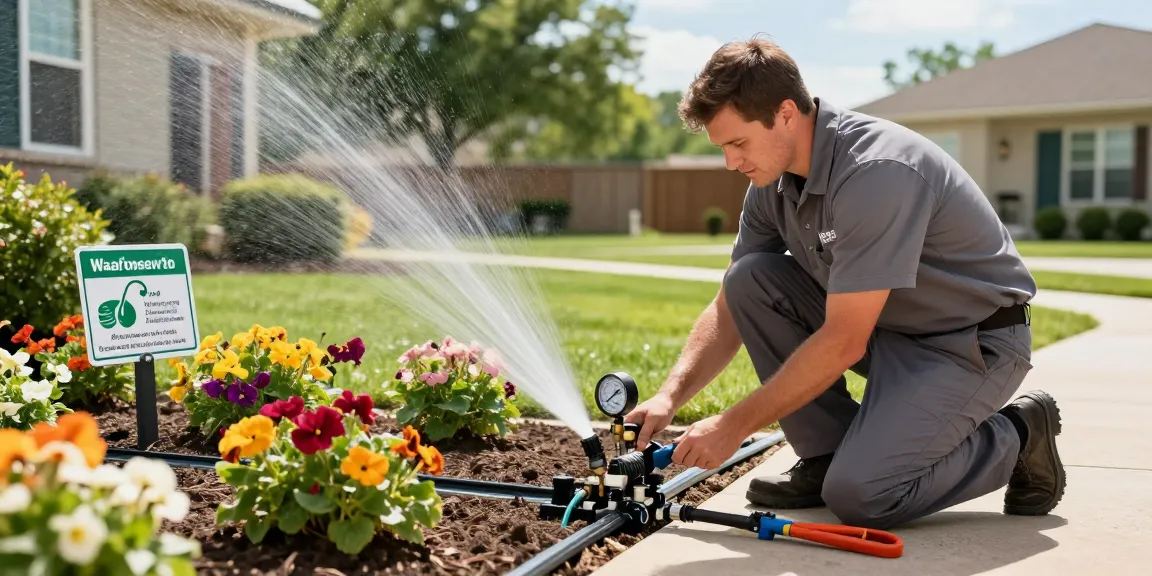
Many homeowners in Keller face common issues with their irrigation systems. Leaky pipes, inefficient sprinkler heads, and poorly designed layouts can result in water wastage and uneven coverage. Understanding these issues is the first step in addressing them effectively, ensuring that your irrigation system functions optimally.
Evaluating Your Current Irrigation System
Before deciding on repairs or upgrades, it’s essential to assess your current irrigation system thoroughly. A professional evaluation can help identify inefficiencies and recommend the best course of action for your property.
Signs of Inefficiency and Water Waste
Identifying signs of inefficiency in your irrigation system can prevent costly repairs down the road. Look for:
- Uneven watering patterns across your lawn.
- Puddles or dry spots consistently appearing in certain areas.
- High water bills without an apparent reason.
- Visible leaks or broken sprinkler heads.
Assessing Repair vs. Replacement Needs
When dealing with an inefficient irrigation system, deciding whether to repair or replace components is crucial. Minor leaks may only require simple repairs, while outdated systems may benefit from complete replacement. A professional can help evaluate the cost-effectiveness of both options, providing you with the best solution for your landscape.
Understanding Drip vs. Sprinkler Systems
Drip irrigation systems and traditional sprinkler systems serve different purposes. Drip systems are more efficient for watering flower beds and gardens, delivering water directly to the roots. In contrast, sprinkler systems cover larger areas more effectively. Understanding these differences can aid in selecting the right type of irrigation for your specific landscape needs.
Choosing the Right Irrigation Solutions
Selecting the right irrigation solution involves considering your landscape’s specific needs, existing infrastructure, and budget. This decision can significantly impact the efficiency and longevity of your watering system.
Factors to Consider for System Installation
When installing a new irrigation system, consider the following factors:
- Type of plants and their watering needs: Different plants have diverse water requirements.
- Soil type and drainage: Knowing the soil's capacity to retain moisture is crucial in choosing the right system.
- Sunlight exposure: Areas with more sunlight may require more frequent watering.
- Budget constraints: Balancing initial costs with long-term savings on water bills is essential.
Benefits of Upgrading Your Irrigation System
Upgrading your irrigation system can lead to numerous benefits, including:
- Increased efficiency: Modern systems often feature technologies that minimize water usage.
- Improved plant health: Well-designed systems deliver water directly to the roots, promoting growth.
- Convenience: Smart irrigation controllers can automate watering based on weather conditions.
Recommended Maintenance Practices for Longevity
Routine maintenance is vital for prolonging the life of your irrigation system. Some recommended practices include:
- Regularly checking for leaks and broken components.
- Cleaning filters and emitters to prevent blockages.
- Adjusting sprinkler heads to ensure proper coverage.
- Winterizing your system to protect against freezing temperatures.
Cost-Effective Water Conservation Strategies
In an era of increasing water scarcity, implementing cost-effective water conservation strategies for your irrigation system is crucial. These techniques not only benefit the environment but also help you save on utility bills.
Investing in Smart Irrigation Technologies
Smart irrigation technologies are revolutionizing how we manage water usage. These systems can automatically adjust watering schedules based on rainfall and plant needs, ensuring optimal water distribution without waste. Investing in such technology can lead to significant long-term savings.
Utilizing Water-Saving Devices and Techniques
Many water-saving devices can enhance your system's efficiency, including:
- Rain sensors: Automatically suspend watering during rainfall.
- Soil moisture sensors: Monitor soil moisture levels and adjust watering accordingly.
- Low-flow sprinklers: Reduce water output while maintaining coverage.
How to Calculate Savings from Efficient Systems
Calculating potential savings from an efficient irrigation system involves analyzing your current water usage compared to projected usage with the new system. Factors to consider include:
- Current monthly water bills.
- Water conservation achieved through improved efficiency.
- Cost of water in your area.
Future Trends in Irrigation Services for Keller, TX
The field of irrigation services is continually evolving, influenced by technological advancements and environmental considerations. Staying informed about these trends can help homeowners make informed choices.
Emerging Technologies and Innovations
New technologies such as AI-driven irrigation management and advanced sprinkler design are gaining traction. These innovations are designed to further reduce waste and improve system effectiveness, making them appealing options for future irrigation solutions.
Environmental Impacts and Sustainability
As water scarcity continues to be a pressing issue, the focus on sustainable irrigation practices is more crucial than ever. Professionals are adopting eco-friendly techniques that promote conservation and reduce the environmental footprint of irrigation systems.
What to Expect from Irrigation Experts in 2026
In the coming years, homeowners can expect more personalized irrigation solutions that cater to specific landscape types and weather patterns. With advancements in technology, irrigation experts will be better equipped to offer tailored recommendations, ensuring that clients achieve optimal results.
How to Choose a Professional Irrigation Service Provider?
Selecting a professional irrigation service provider is critical for ensuring reliable system performance. Here are some tips on what to look for:
- Experience and expertise: Choose a provider with a proven track record in the industry.
- Customer reviews: Look for testimonials and ratings from previous clients.
- License and insurance: Ensure your provider is properly licensed and insured for peace of mind.
What Should I Look for in an Irrigation System Maintenance Plan?
A good maintenance plan should include regular inspections, adjustments for seasonal changes, and prompt repairs of any issues that arise. It should also outline the frequency of service calls and what services are covered under the plan.
How Can I Maximize the Efficiency of My Irrigation System?
To maximize efficiency, consider implementing smart technologies, conducting regular system audits, and ensuring that your irrigation design matches your landscaping needs. Regularly adjusting your system based on seasonal requirements can also enhance efficiency.
What Are the Most Common Irrigation Problems Homeowners Face?
Common problems include broken sprinkler heads, leaky pipes, and issues with timers or controllers. Identifying these issues early can prevent further damage and costly repairs.