Understanding the Role of a GRP Manufacturer
In the realm of modern manufacturing, the role of a GRP Manufacturer is pivotal, especially as industries seek more durable and efficient materials. Glass Reinforced Plastic (GRP), also known as fiberglass, is a composite material known for its high strength-to-weight ratio and excellent resistance to corrosion, making it a preferred choice across various sectors. In this article, we will delve into the many facets of GRP manufacturing, its applications, and how it continues to transform industries by providing innovative solutions.
What is GRP and Its Applications?
Glass Reinforced Plastic (GRP) is a composite material composed of a polymer matrix reinforced with glass fibers. This combination creates a versatile material that is both lightweight and strong, suitable for a wide array of applications. GRP is utilized in sectors such as construction, transportation, marine, and telecommunications due to its excellent mechanical properties and resistance to environmental factors.
Key Industries Utilizing GRP Products
GRP products find their place in multiple industries where performance and reliability are paramount. Here are some key sectors:
- Construction: Used for structural components like beams and panels.
- Automotive: Employed in manufacturing lightweight parts that enhance fuel efficiency.
- Marine: Ideal for boats and marine structures due to its corrosion resistance.
- Utilities: Commonly used in water treatment facilities and pipelines.
Benefits of Choosing a Reputable GRP Manufacturer
Selecting a reputable GRP manufacturer not only ensures high-quality products but also long-term support and innovation. A company that adheres to international standards, such as ISO 9001, guarantees that products are produced consistently and reliably. Furthermore, established manufacturers like Engineered Composites leverage decades of industry experience, providing tailored solutions that meet specific project requirements.
Types of GRP Products Supplied by Manufacturers
Common GRP Products: Gratings, Profiles, and More
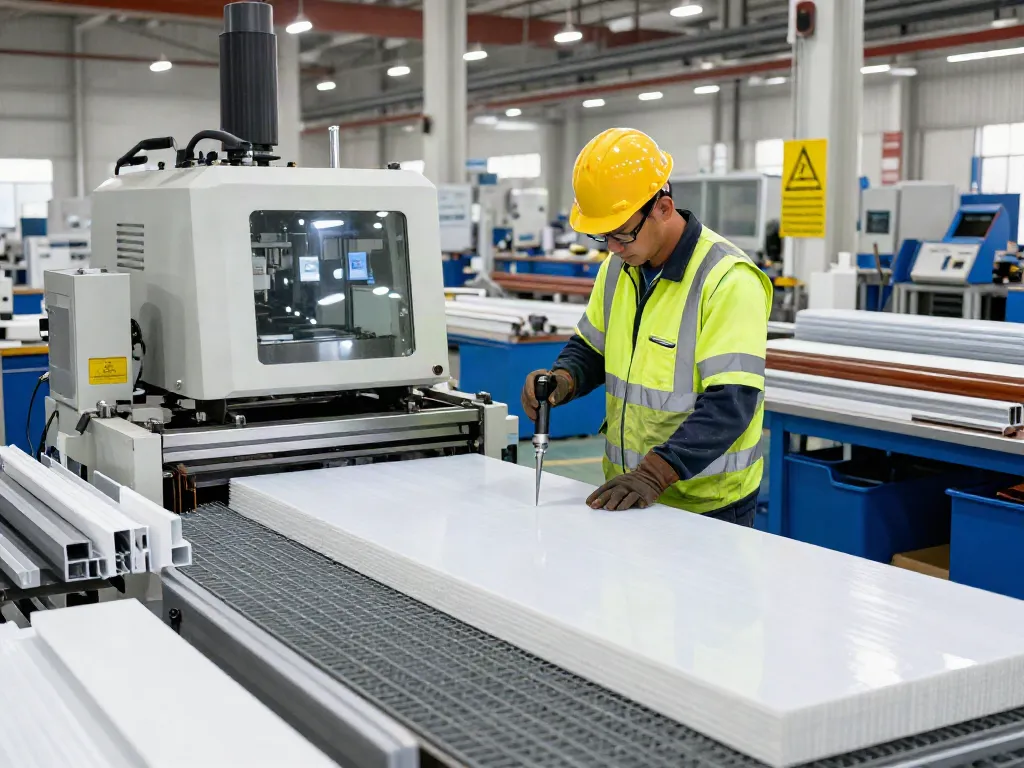
GRP manufacturers supply a diverse range of products designed for various applications. Common offerings include:
- GRP Gratings: Used for flooring and walkways that demand strength and safety.
- GRP Profiles: Essential for constructing frameworks in various applications.
- GRP Handrails: Provide safety on walkways and platforms.
- GRP Decking: Often utilized in outdoor environments for its durability.
Custom Fabrication Capabilities in GRP Manufacturing
Many manufacturers offer custom fabrication services, allowing for tailored solutions to fit unique project specifications. This can include bespoke sizes, shapes, and properties, ensuring that clients receive precisely what they need for their applications.
Comparing GRP Products to Traditional Materials
When compared to traditional materials such as steel and aluminum, GRP products exhibit significant advantages:
- Weight: GRP is substantially lighter, making transportation and installation easier.
- Corrosion Resistance: Unlike metals, GRP does not rust, extending its service life.
- Maintenance: GRP requires minimal upkeep, reducing operational costs over time.
Quality Assurance in GRP Manufacturing
ISO Standards and Compliance in GRP Production
Quality assurance is critical in GRP manufacturing. Adherence to ISO standards ensures that materials produced are of consistent quality and reliability. Certified manufacturers implement rigorous quality control procedures throughout the production process, from raw material selection to final product testing.
Testing Procedures for GRP Products
Thorough testing of GRP products is essential to confirm their performance under various conditions. Typical tests include:
- Tensile Strength Testing: Assessing the material's strength and elasticity.
- Fire Resistance Testing: Ensuring materials meet fire safety regulations.
- Dimensional Accuracy Checks: Verifying that products meet specified measurements.
Ensuring Longevity and Durability in GRP
The longevity of GRP products is one of their defining features. Proper formulation and careful manufacturing processes contribute to materials that can last over 50 years with little maintenance. This durability makes GRP a sound investment for industrial and commercial projects.
Environmental Considerations and Sustainability
Is GRP a Sustainable Choice for Future Projects?
With increasing awareness of environmental issues, many industries are looking for sustainable materials. GRP is a viable option as it offers durability and requires significantly less energy to produce compared to traditional materials like steel. Additionally, its long lifespan reduces the frequency of replacements, thus minimizing waste over time.
Recyclability and End-of-Life Options for GRP Products
GRP products can be recycled and repurposed at the end of their life cycle. Manufacturers are developing methods to reclaim GRP materials, turning them back into raw materials for new products, which aligns with circular economy principles.
Energy Efficiency in GRP Manufacturing Processes
The production of GRP is more energy-efficient than metals. Utilizing advanced manufacturing practices and equipment, manufacturers can decrease their carbon footprint while ensuring high-quality output.
How to Get the Most Out of Your GRP Manufacturer
Tips for Requesting Quotations and Orders
To efficiently engage with a GRP manufacturer, it is advisable to prepare detailed specifications for the products you require. This should include dimensions, intended use, and any specific standards that need to be met. A clear request enables manufacturers to provide accurate quotes promptly.
Common Installation Practices for GRP Products
GRP products can often be installed without specialized equipment, making them ideal for a variety of projects. During installation, it's crucial to follow the manufacturer's guidelines to ensure safety and performance.
Understanding Maintenance and Care for GRP
One of the significant advantages of GRP is its low maintenance requirement. Regular cleaning with a mild detergent is usually sufficient to keep GRP products in good condition. Unlike metal materials, GRP does not require painting or galvanization, making it a cost-effective solution over its lifetime.
What are the advantages of using GRP materials?
GRP materials offer numerous benefits, including reduced weight, increased resistance to corrosion and chemicals, and lower maintenance costs. These features make GRP an excellent choice for many industries seeking reliable and efficient materials.
How do GRP products compare to aluminum and steel?
Compared to aluminum and steel, GRP provides similar strength but at a significantly reduced weight. Additionally, GRP's resistance to corrosion and chemicals makes it a better choice for environments where other metals might fail.
What fire safety standards do GRP products meet?
GRP products manufactured by reputable companies comply with stringent fire safety regulations, including Class 2 fire ratings as stipulated in BS 476 Part 7. This compliance ensures they are suitable for use in public and industrial infrastructures.