Understanding Glass Cutting Tables
Glass cutting tables are essential tools in the glass processing industry, engineered to provide precision, stability, and efficiency in glass fabrication. As the demand for high-quality glass products increases, manufacturers are constantly exploring advanced machinery that enhances their production capabilities. Given the intricate nature of glass cutting, opting for the right glass cutting table becomes paramount to ensure optimal results and streamline operations.
What is a Glass Cutting Table?
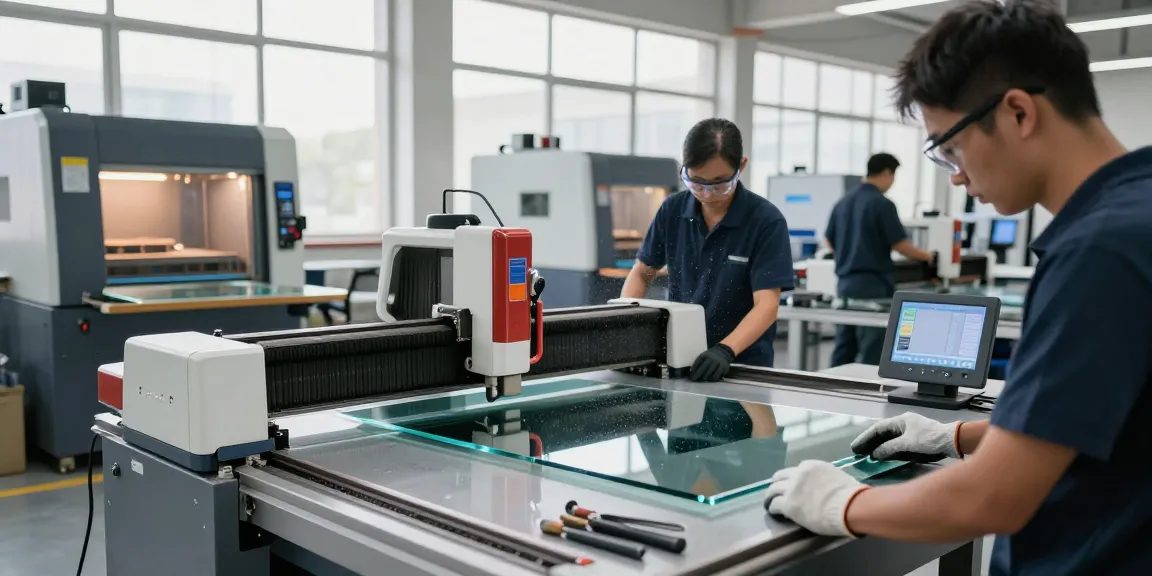
A glass cutting table is a specialized workstation designed specifically for cutting glass sheets. It typically consists of a flat surface made from durable materials, often covered with a protective layer to minimize damage to the glass. These tables are equipped with various features, including rulers, guides, and scoring tools, enabling precision cuts and reducing the risk of chipping.
Types of Glass Cutting Tables
There are several types of glass cutting tables available, each catering to different production needs and volumes:
- Manual Glass Cutting Tables: These require the operator to manually score the glass and apply pressure to break it along the scored line. They are often preferred for smaller operations or custom jobs.
- Semi-Automatic Glass Cutting Tables: These tables combine manual scoring with automated features, allowing for more efficiency while still involving some manual operation.
- Fully Automatic Glass Cutting Tables: These highly advanced systems automate the entire cutting process, from scoring to breaking, often integrating computer-controlled systems to enhance precision and speed.
- CNC Glass Cutting Tables: Computer Numerical Control (CNC) tables offer the highest level of automation, allowing for complex shapes and designs to be cut with extreme accuracy.
Evaluating Your Needs for a Glass Cutting Table
Choosing the right glass cutting table requires careful consideration of several factors that align with your business requirements. Understanding your production volume, material compatibility, and budget can significantly impact your choice.
Assessing Production Volume
Before investing in a glass cutting table, it’s crucial to assess your production volume. High-volume operations may necessitate the use of automated or CNC tables that can quickly process large sheets of glass, while smaller operations might find manual or semi-automatic tables more cost-effective.
Material Compatibility and Size Considerations
Different types of glass require different cutting techniques. Ensure that the table you choose is compatible with the glass types you intend to process, whether it be tempered, laminated, or insulated glass. Additionally, consider the maximum glass size the table can accommodate, as this will affect your operational capabilities.
Budgeting for Your Glass Cutting Table
Budget is always a significant factor in equipment purchasing. While it’s tempting to opt for the cheapest option, it’s vital to consider long-term costs, including maintenance, part replacements, and operational efficiency. Investing in a high-quality table could lead to better productivity and lower operational costs over time.
Importance of Maintenance and Care
To ensure longevity and optimal performance of your glass cutting table, regular maintenance and care are essential. A well-maintained machine not only performs better but also reduces the likelihood of costly breakdowns.
Regular Maintenance Practices
Establish a routine maintenance schedule that includes cleaning the table surface, inspecting cutting tools for wear, and lubricating moving parts. Keeping the workspace clean and free of debris will also enhance operational efficiency.
Common Issues and Troubleshooting Tips
- Uneven Cuts: This may result from a dull blade or improper setup. Regularly check and replace cutting tools as necessary.
- Glass Chipping: Ensure that the glass is supported correctly and that the cutting pressure applied is appropriate.
- Machine Calibration: Regularly calibrate your equipment to maintain cutting accuracy and prevent discrepancies in output.
Extending the Lifespan of Your Equipment
In addition to regular maintenance, employing best practices during operations can significantly extend the lifespan of your glass cutting table. Train staff on proper techniques and limit overloading the machine to avoid unnecessary strain.
Innovations in Glass Cutting Technology
The glass processing industry is continually evolving, with new technologies emerging each year. Innovations in glass cutting machinery are critical to meeting modern demands for efficiency, precision, and versatility.
Latest Trends in Glass Processing Machinery
Recent trends include the integration of smart technologies, enabling remote operation and monitoring of machines. This modernization allows for real-time adjustments and data analytics to optimize performance further.
Smart Features to Look for in 2026
When selecting a glass cutting table, consider options that offer features such as:
- Real-time performance monitoring
- Automated tool changes
- Compatibility with CAD software for design precision
Impact of Automation on Glass Cutting Tables
Automation has transformed the glass cutting landscape by significantly increasing production speed and reducing labor costs. Automated systems can perform complex cuts that would be tedious and time-consuming for manual operators.
Real-World Applications and Case Studies
Understanding practical applications of glass cutting tables can provide valuable insights into their functionality and advantages in real-world scenarios.
Successful Use Cases in the Industry
Many companies have successfully integrated advanced glass cutting tables into their production lines, resulting in increased output and reduced waste. For example, a manufacturer specializing in architectural glass saw a 30% increase in productivity after switching to a fully automated cutting table.
Lessons Learned from Expert Installations
Documenting case studies helps identify common challenges and best practices. For instance, companies that invested time in training their staff reported smoother transitions and better utilization of cutting technology.
Future Trends and Predictions for Glass Cutting Technology
As we move forward, expect to see further integration of AI and machine learning in cutting processes. These advancements will likely lead to even greater efficiencies and capabilities in glass processing, responding dynamically to production demands.
What Are the Common Misconceptions about Glass Cutting Tables?
Many believe that all glass cutting tables offer the same performance level. In reality, the quality varies significantly based on the manufacturer, design, and technology used. Investing in higher-quality tables usually yields better long-term results.
How to Optimize Your Workflow with Glass Cutting Tables?
To maximize the efficiency of your glass cutting table, consider streamlining your workflow by integrating other glass processing machines. This might include washing stations, edging machines, or laminating equipment, creating a cohesive production line.
What Innovations in Material Science Affect Glass Cutting?
Recent advances in material science, particularly in new types of glass and coatings, influence cutting techniques and machinery requirements. Understanding these materials can help you choose the right cutting tools and settings, ensuring quality output.