Understanding Loft Insulation Removal
Loft insulation plays a critical role in maintaining energy efficiency in homes, yet its removal can be necessary for various reasons. Whether it's due to damage, outdated materials, or an upgrade to more effective insulation types, understanding the process of loft insulation removal is essential. This is where the expertise of a loft insulation removal specialist becomes invaluable.
What Is Loft Insulation?
Loft insulation is a material used to reduce heat loss in homes, particularly in the attic or loft space. It acts as a thermal barrier, keeping warmth in during colder months and minimizing heat gain in the summer. Effective insulation helps to reduce energy consumption and can significantly lower heating bills. Common materials include mineral wool, fiberglass, cellulose, and spray foam. Each material has its benefits and drawbacks, dependent on specific home requirements.
Common Insulation Materials
Several materials are used for loft insulation, including:
- Mineral Wool: Made from rock or glass fibers, mineral wool is non-combustible and offers excellent soundproofing properties. It is one of the most commonly used insulation types.
- Fiberglass: Lightweight and affordable, fiberglass insulation is easy to install but can cause skin irritation if not handled properly.
- Cellulose: An eco-friendly option made from recycled paper, cellulose is treated with fire retardants and provides good thermal performance.
- Spray Foam: This modern insulation type expands upon application, filling gaps and providing an airtight seal, which improves energy efficiency.
When to Consider Removal
There are specific circumstances under which you may need to consider loft insulation removal:
- Water Damage: If insulation has been compromised by leaks or flooding, removal is necessary to prevent mold and structural damage.
- Infestations: Pests such as rodents or insects can damage insulation and make it a breeding ground for bacteria.
- Outdated Materials: Older insulation materials may be less effective or contain harmful substances, like asbestos.
- Home Renovations: If you're planning to upgrade your insulation to a more efficient type, removing the old material is required for optimal results.
The Importance of Professional Assistance
Engaging a professional loft insulation removal service is crucial for several reasons. The process involves complexities that require experience and expertise to ensure safety and efficiency.
Benefits of Hiring a Loft Insulation Removal Specialist
Hiring a specialist offers numerous advantages:
- Expert Knowledge: Specialists understand various insulation materials and the best practices for their removal, minimizing damage to your property.
- Efficient Process: A professional team can complete the job faster than DIY efforts, leading to quicker home readiness.
- Safety Measures: Removal can expose hazardous materials; professionals are trained to manage these dangers effectively.
- Proper Disposal: Insulation removal often requires legal disposal methods for hazardous materials, something a specialist is qualified to handle.
Safety Risks of DIY Insulation Removal
Attempting to remove loft insulation by yourself poses several risks, including:
- Health Hazards: Exposure to materials like asbestos or fiberglass can cause serious health issues.
- Structural Damage: Incorrect removal can damage rafters or electrical systems within the loft.
- Ineffective Cleanup: DIY removal may leave behind debris that can cause further problems, including pests or mold growth.
What to Expect from Professionals
When you hire a loft insulation removal specialist, you can expect a thorough and methodical approach:
- Initial Assessment: Specialists conduct an inspection to evaluate the insulation type and condition.
- Removal Process: Utilizing appropriate tools and techniques, they will safely remove existing insulation.
- Post-Removal Inspection: A final check is performed to ensure all materials have been effectively removed and the area is clean.
- Installation of New Insulation: If desired, many specialists can help with the installation of new, more efficient insulation.
Methods Used in Insulation Removal
There are various methods employed by loft insulation removal specialists to ensure safe and efficient extraction of insulation materials.
Vacuum Extraction Techniques
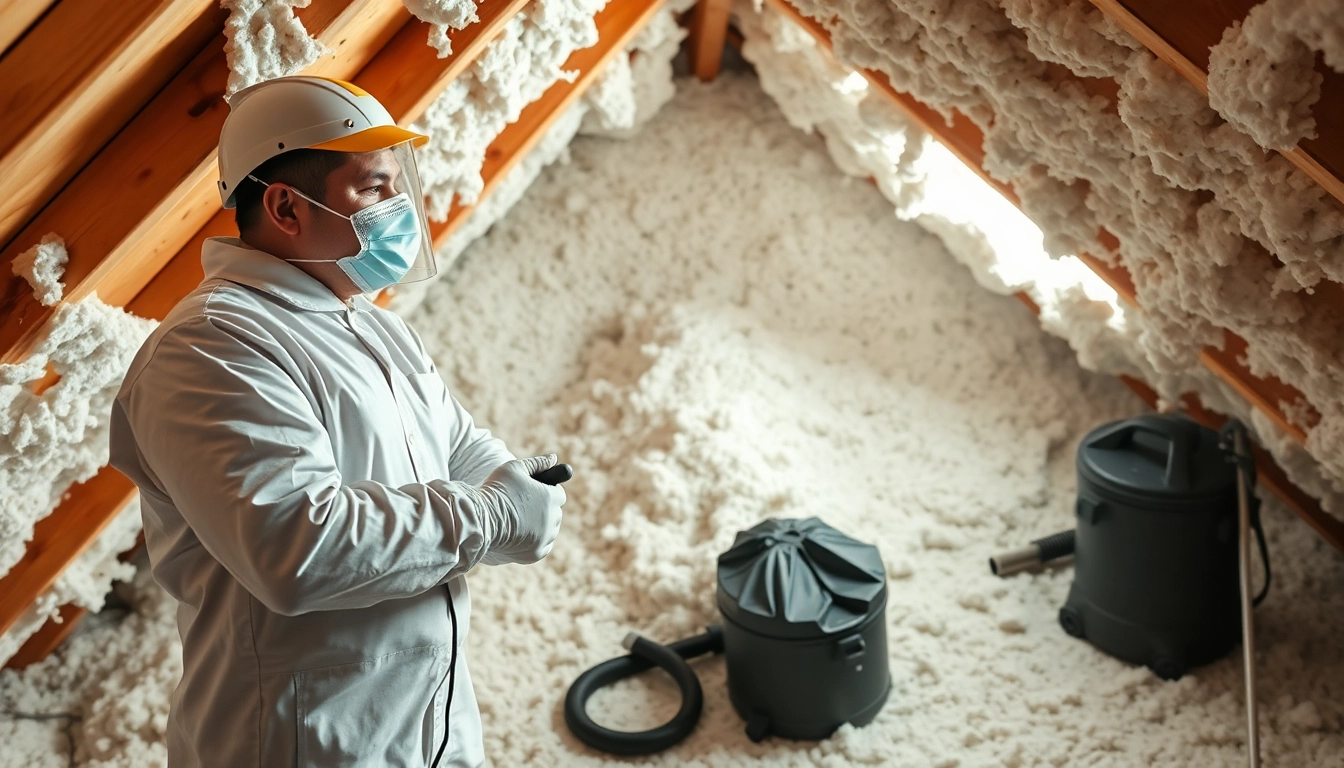
Vacuum extraction is a preferred method in many situations. This technique involves using specialized vacuums designed to handle insulation materials. This method minimizes dust and debris, ensuring a cleaner removal process. The equipment used is often HEPA-filtered, which captures tiny particles and prevents them from recirculating in the air.
Manual Removal for Different Materials
Some insulation materials may require manual removal techniques, especially if they are densely packed or consist of heavier materials. Specialists will wear protective gear and use tools such as shovels or cutting instruments to dismantle the insulation safely.
Post-Removal Clean-Up Process
After removal, thorough cleanup is crucial. This includes sealing off the work area to prevent insulation remnants from spreading into the home. Furthermore, professionals will ensure that any hazardous materials are disposed of properly according to local regulations. Finally, a complete inspection is performed to ascertain that the loft is in good condition for future use or insulation installation.
Preparing for Loft Insulation Removal
Preparation is key when planning for loft insulation removal. Following the right steps ensures the process goes smoothly and safely.
Assessing Your Loft's Condition
Before the removal process begins, you should assess your loft for any existing issues. Check for moisture, structural damage, or pests, as these factors can greatly affect insulation and may require additional repairs before removal.
How to Choose the Right Specialist
Choosing the right loft insulation removal specialist can hinge on several factors:
- Experience: Look for contractors with a proven track record in insulation removal.
- Certifications: Ensure they have the necessary certifications to handle hazardous materials, if required.
- References and Reviews: Check past customer experiences to gauge service quality.
- Insurance: Verify that they have adequate insurance to protect against potential accidents during the removal process.
Questions to Ask Before Hiring
Here are some important questions to consider when hiring a loft insulation removal specialist:
- What is your experience with my specific type of insulation?
- How do you ensure the safety of your workers and my home during the removal process?
- Can you provide a detailed cost estimate, including any potential additional charges?
- What is the expected timeline for the removal process and any follow-up work?
FAQs about Loft Insulation Removal
What are the signs that I need insulation removal?
Signs include water damage, visible mold or mildew, increased energy bills, and degradation of insulation material quality.
Is it safe to remove insulation myself?
Removing insulation yourself can expose you to health risks and potential damage. Hiring a professional is safer and ensures compliance with regulations.
How long does the removal process take?
The duration of removal depends on the size of the loft and the amount of insulation. Typically, it can take a few hours to a couple of days.
What should I do after insulation removal?
After removal, inspect the loft for any damage, ensure it’s cleaned thoroughly, and consider installing new insulation to improve energy efficiency.
How much does professional insulation removal cost?
Costs vary based on insulation type and loft size. It's best to get quotes from several specialists to find a competitive rate.