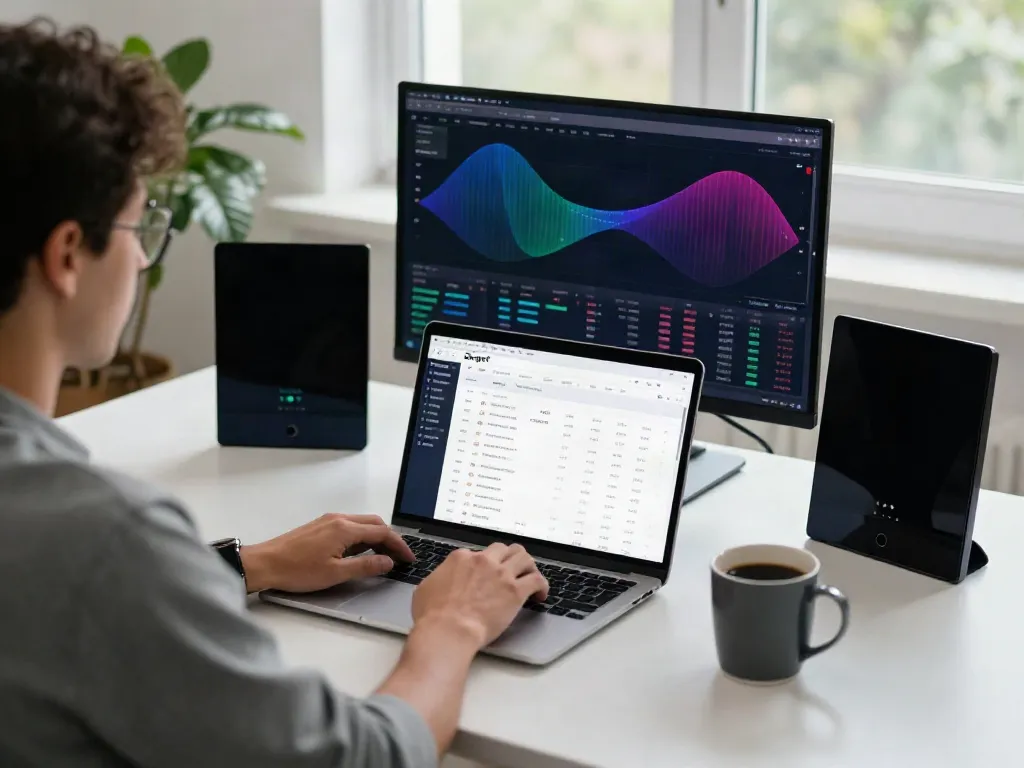
Understanding Real-Time Market Data and Its Importance
In the rapidly evolving landscape of financial technology, real-time market data has become a critical asset for traders and investors alike. With innovations in blockchain technology and the rise of decentralized finance (DeFi), traders can now access timely and accurate market information that is paramount for making informed decisions. The integration of real-time data via WebSocket technology has drastically reduced latency and improved the efficiency of financial applications. When exploring options, 股票行情推送 provides comprehensive insights into market trends, enabling users to capitalize on fluctuating prices instantly and effectively.
What is 股票行情推送?
股票行情推送, or stock market data push, refers to the method of delivering real-time financial data directly to end-users through protocols such as WebSocket and REST. This technology allows traders and applications to receive continuous, live updates on stock prices, foreign exchange rates, and cryptocurrency values without the need for constant polling. By utilizing WebSocket connections, users can ensure they are always operating with the latest market insights, enhancing trading strategies and decision-making processes.
Advantages of Real-Time Data in Trading
The significance of real-time data in trading cannot be understated. Here are some key advantages:
- Immediate Insights: Traders can respond to market movements almost instantaneously, optimizing their entry and exit points.
- Enhanced Strategies: Utilizing real-time data allows traders to employ advanced strategies like arbitrage, where price discrepancies across different markets or exchanges can be exploited for profits.
- Improved Market Awareness: Real-time updates keep traders informed about market trends, news releases, and sudden events that may impact asset prices.
- Reduction of Latency: Unlike traditional data retrieval methods, real-time data delivery minimizes latency, ensuring users have the quickest access to necessary information.
WebSocket vs. REST: Choosing the Right Protocol
When deciding between WebSocket and REST for market data integration, it is essential to understand each protocol's capabilities:
- WebSocket: This protocol establishes a persistent connection between the client and server, facilitating the continuous flow of market data. It is ideal for applications needing real-time updates with high-frequency changes.
- REST: Representational State Transfer is a stateless protocol used primarily for fetching or sending data at sporadic intervals. It is more suitable for applications that require initial snapshots or historical data rather than continuous stream updates.
Many trading platforms and applications find that employing both protocols, utilizing WebSocket for real-time data and REST for historical queries, yields the best results.
Incorporating Real-Time Data into Your Trading Strategy
Optimal Use Cases for 股票行情推送
There are numerous scenarios where incorporating 股票行情推送 can benefit traders significantly:
- High-Frequency Trading (HFT): Traders utilizing algorithms to execute a large number of orders at fractions of seconds can leverage real-time data for optimal performance.
- Event-Driven Trading Strategies: Systems that react to specific market events or alerts, like earnings announcements or geopolitical developments, can utilize real-time data to make swift adjustments.
- Portfolio Management: Real-time tracking of asset valuations and performance metrics helps portfolio managers to maintain an optimal asset allocation strategy and react to ever-changing market conditions.
Integrating with Trading Platforms and Tools
Integrating real-time market data into platforms requires a tailored approach, depending on the specific needs of the application and its user base. Developers must consider:
- What data types are essential for the user base (e.g., equities, forex, crypto)?
- How the API will handle high volumes of data without compromising performance.
- Ensuring compliance with regulatory requirements regarding data usage and privacy.
Case Studies: Successful Implementation Stories
Several platforms have successfully leveraged real-time market data:
- Crypto Exchanges: Many leading exchanges have integrated WebSocket technology to provide their users with instant trade execution capabilities and continuous price updates.
- Trading Bots: Automated trading systems benefit from real-time data feeds, allowing them to execute trades based on live market conditions, thus optimizing profits and mitigating risks.
- Financial News Applications: By incorporating real-time data, these applications deliver timely content that is crucial for discerning the most relevant market events.
Enhancing Security in Crypto Trading with Real-Time Data
While real-time market data provides numerous benefits, it is essential to remain vigilant about security vulnerabilities. Here are several strategies to enhance security:
Best Practices for Protecting Your Data
Implementing robust security measures ensures that the valuable market data you are interacting with remains secure:
- Use Secure Connections: Ensure that all data transactions are performed over secure HTTPS connections and utilize encrypted WebSocket protocols.
- Foundation of Education: Traders should be educated on the importance of security in cryptocurrency transactions, including understanding common threats.
- Regular Security Updates: Keep all software and systems updated to guard against known vulnerabilities and potential exploits.
Understanding Authentication Mechanisms
A critical aspect of securing real-time market data is utilizing proper authentication mechanisms. Options include:
- Token-Based Authentication: Many APIs require a secure token to access real-time data, ensuring that only authorized users can access sensitive market information.
- Two-Factor Authentication (2FA): Enabling 2FA can significantly increase the security level of accounts that have access to real-time trading.
Recognizing Common Security Threats
Awareness of potential security threats is crucial for all market participants:
- Phishing Scams: Fraudulent attempts to obtain sensitive data by masquerading as trustworthy sources.
- Malware Attacks: Malicious software that can compromise user devices and steal critical information like wallet keys.
The Future of 行情推送 Technologies and Innovations
Emerging Trends in Financial Technology
The financial technology landscape is continuously innovating. Here are some trends to watch:
- AI and Machine Learning: These technologies are enhancing market analysis, providing more accurate predictions and insights based on real-time data patterns.
- Blockchain Advancements: Improved blockchain scalability and privacy features continue to emerge, impacting how real-time data is handled, particularly in decentralized finance.
The Role of AI in Enhancing Market Data Accuracy
AI is playing an increasing role in how market data is analyzed and interpreted. Key improvements include:
- The deployment of predictive analytics that use historical data trends to forecast future market movements.
- Natural language processing (NLP) to decipher news sentiment and quantify its potential effects on market prices.
Predictions for 2026: Real-Time Data Advancements
As we approach 2026, the following advancements are anticipated:
- Increased Interoperability: Better compatibility between different blockchain systems will enhance data sharing and market access.
- Enhanced Regulation Compliance: Financial service providers will adapt to new regulatory frameworks emerging worldwide, ensuring safer trading environments.
Frequently Asked Questions about 股票行情推送
How can I implement WebSocket for my trading application?
Implementing WebSocket involves establishing persistent connections with market data providers that support this protocol, ensuring your application can handle incoming data streams efficiently.
What are the risks associated with real-time data trading?
Risks can include price volatility, dependency on technology reliability, and potential security vulnerabilities inherent in network communications.
Can I rely solely on 股票行情推送 for trading decisions?
While real-time data is invaluable, it should be complemented with thorough research and analysis, combining various strategies to ensure well-informed trading decisions.
What resources are available for learning about real-time data integration?
Many financial technology resources, both online and in print, offer comprehensive guides and tutorials on integrating real-time data through APIs, including official documentation and developer forums.
How do I ensure compliance with financial regulations?
Keeping abreast of regulatory updates and using compliant trading platforms and services are essential steps to maintain legal integrity when using real-time market data.