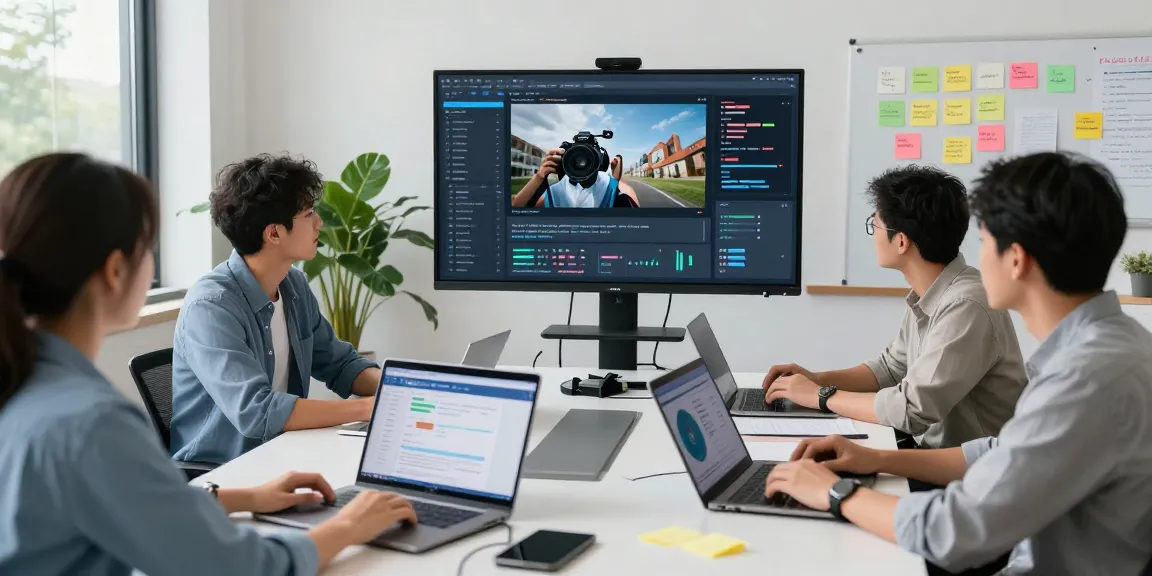
The Rise of AI in Content Moderation
In the digital age, the proliferation of online content presents both opportunities and challenges for businesses, communities, and platforms. With millions of images, videos, and text being shared daily, ensuring that this content adheres to community standards and remains safe for all users is paramount. This is where advanced technologies, particularly AI, come into play. Enhanced capabilities in content moderation are now essential for maintaining user trust and safety across platforms. An effective ai image detector can streamline this process, ensuring content is evaluated swiftly and accurately.
Understanding the Need for Content Moderation
Content moderation has become a critical function for many online platforms due to the diverse range of user-generated content. Inappropriate, harmful, or misleading materials can quickly spread across social networks, leading to reputational damage and potential legal issues. As such, businesses must implement robust systems to identify and manage this content proactively. The need for effective moderation is heightened by the increasing sophistication of harmful content, including fake news, misinformation, and explicit imagery.
How AI Image Detectors Transform Moderation
Traditionally, content moderation relied heavily on human reviewers who manually scanned content for violations. While this method can be effective, it’s not scalable or efficient for large platforms. AI image detectors revolutionize this process by employing machine learning algorithms that can analyze vast amounts of data quickly and accurately. These systems are designed to learn from new data, improving their capability to detect various content types over time.
Comparing Efficiency: AI vs Traditional Methods
When comparing AI-powered moderation to traditional methods, the differences in efficiency are stark. AI systems can process thousands of images and videos per second, flagging inappropriate content in real time. This immediacy contrasts sharply with manual review processes, where delays can allow harmful content to proliferate. Additionally, AI moderation reduces human error and biases, leading to more consistent enforcement of community guidelines.
Key Features of an Effective AI Image Detector
Detection Accuracy: Reducing False Positives
One of the significant challenges in content moderation is achieving high detection accuracy while minimizing false positives. An effective AI image detector must distinguish between benign and harmful content without incorrectly flagging innocent images. For instance, the technology must differentiate between an innocuous beach photo and an explicit image. Through advanced training on diverse datasets, leading-edge systems can ensure that user experience is enhanced rather than hindered by unnecessary moderation actions.
Context-Aware Intelligence in Image Analysis
Context-aware intelligence is a game-changer in image analysis. This feature allows AI detectors to interpret images not just based on patterns but by understanding the context in which an image appears. Whether it's assessing the implications of a specific gesture, a scene's setting, or the overall theme of the content, context-aware systems can significantly enhance the accuracy of moderation efforts.
Customization and Flexibility in Moderation Rules
Every platform has its unique set of community standards and moderation needs. Therefore, an effective AI image detector should offer customizable moderation rules that can adapt to different contexts and requirements. This flexibility ensures that businesses can tailor their policies based on audience demographics, cultural sensitivities, and legal obligations, thereby enhancing user satisfaction and platform integrity.
Implementation Strategies for Businesses
Integrating AI Detectors into Existing Platforms
For businesses looking to implement AI image detection solutions, integration into existing platforms is crucial for a smooth transition. This process may involve aligning current infrastructure with new AI capabilities, ensuring that APIs and data flows are optimized for real-time moderation. A well-planned integration strategy reduces disruption while maximizing the value of AI tools.
Best Practices for Customizing Moderation Policies
Effective customization of moderation policies involves engaging with community stakeholders to better understand their needs and expectations. Regular reviews of moderation outcomes can help refine policies, ensuring they remain relevant and effective. Additionally, leveraging user feedback can provide insights that drive continuous improvement in the moderation process.
Monitoring and Adapting AI Moderation Systems
Once implemented, AI moderation systems require ongoing monitoring to ensure they function as intended. This includes evaluating their performance, addressing any biases that may arise, and adapting to new types of content that may emerge over time. Continuous learning mechanisms enable AI systems to improve their capabilities, fostering a safer community environment.
Real-World Applications and Case Studies
Success Stories from Fortune 500 Companies
Many Fortune 500 companies are leveraging AI image detection tools to enhance their content moderation efforts. For instance, social media platforms have reported significant reductions in the dissemination of hate speech and explicit content after integrating AI solutions. These success stories underscore the power of technology in maintaining community standards and building user trust.
Innovative Uses of AI Image Detectors Across Industries
AI image detectors extend beyond social media applications; they are also utilized in sectors like e-commerce and online education. For e-commerce platforms, these tools help in monitoring product images to ensure they meet advertising standards, while educational institutions use AI detection to maintain integrity in online assessments. Such innovative applications reflect the versatility and adaptability of AI moderation technologies across various industries.
Challenges Faced and Lessons Learned
Despite the advantages, the integration of AI image detectors is not without challenges. Issues such as algorithmic bias, privacy concerns, and the need for human oversight continue to pose hurdles. Companies that have navigated these challenges often emphasize the importance of collaboration between human moderators and AI tools to strike a balance that optimizes both efficiency and fairness in moderation.
Future Trends in Content Moderation
Emerging Technologies and AI Innovations
As we move further into the digital era, emerging technologies, such as deep learning and neural networks, are expected to enhance AI image detection capabilities significantly. Innovations like real-time video analysis and multi-modal content moderation, which combines text, audio, and image analysis, will likely redefine the landscape of content moderation.
Predicting the Evolution of Content Standards
Content standards will continue to evolve as societal norms shift and technological advancements emerge. Businesses must remain agile, adapting their moderation policies and practices to meet changing expectations. This flexibility will be essential to maintain user trust and community safety, especially as new content types arise.
Preparing for the Future of Digital Safety in 2026
Looking ahead to 2026, organizations must prepare for a more complex digital safety landscape. This preparation includes investing in advanced AI detection technologies, fostering transparency in moderation practices, and prioritizing user privacy. Working together with regulators and stakeholders will be critical in shaping a safer online environment.
What is an AI Image Detector?
An AI image detector is a technological solution designed to analyze images for specific content types, categorizing them as appropriate or inappropriate based on established guidelines. These detectors employ machine learning algorithms trained on vast datasets to improve accuracy and efficiency in content moderation.
How does AI image detection work?
AI image detection typically involves preprocessing images, feature extraction, and classification. The algorithms inspect the visual data to identify patterns and features that indicate whether the content is acceptable based on predetermined criteria. Continuous learning from user interactions and new data helps the system refine its detection capabilities over time.
Can AI image detectors replace human moderators?
While AI image detectors significantly enhance content moderation processes, they are not a complete replacement for human moderators. Instead, they serve as powerful tools that can assist humans in managing large volumes of content more efficiently. A hybrid approach, combining AI capabilities with human oversight, offers the best solution for addressing the complexities of content moderation.
What are the limitations of AI image detectors?
AI image detectors face limitations such as algorithmic bias, reliance on the quality of training data, and challenges in accurately interpreting context. These limitations can lead to inadvertent errors, such as flagging innocent content or failing to recognize harmful materials. Ongoing refinement and user feedback are essential for addressing these challenges.
How to choose the right AI image detector for your needs?
Selecting the right AI image detector involves assessing your specific moderation needs, evaluating the detector’s accuracy and flexibility, and considering its ability to integrate into existing systems. Additionally, understanding the vendor's support and training options can play a crucial role in ensuring successful implementation and operation.