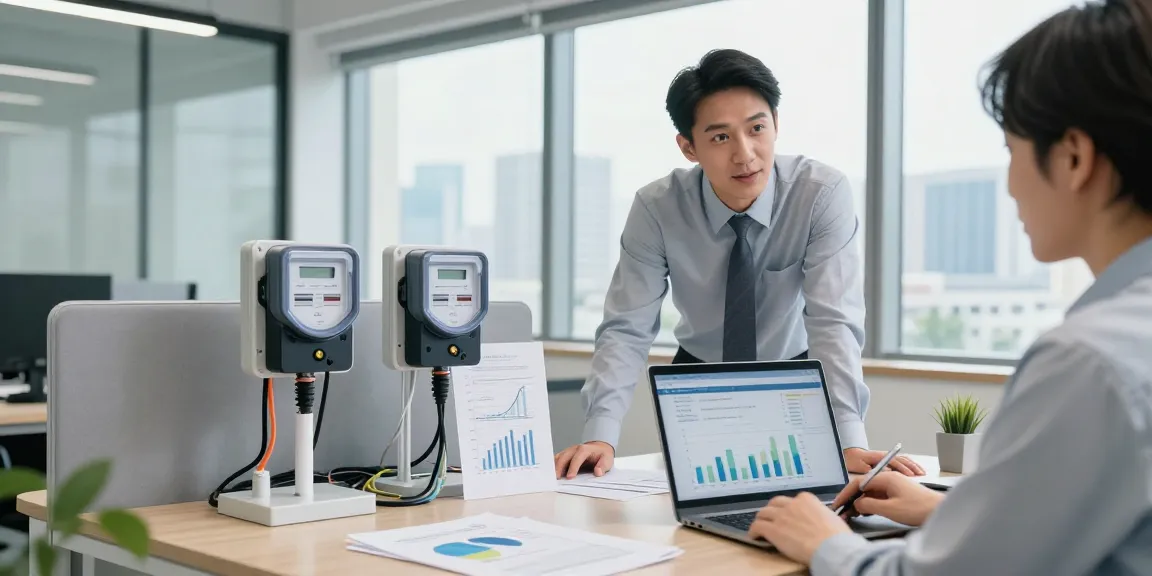
Understanding Half Hourly Meters
Half-hourly meters are instrumental in the evolution of energy management for businesses in the UK, especially as we move into 2026. With their ability to provide detailed insights into energy consumption, they enable businesses to make informed decisions that can lead to significant cost savings. As energy prices fluctuate, understanding how these meters operate and their benefits becomes increasingly crucial for businesses looking to optimize their energy expenditure. When exploring options, half hourly meter systems can offer comprehensive insights into your energy usage, allowing for tailored solutions to meet specific operational needs.
What is a Half Hourly Meter?
A half-hourly meter, often referred to as an HH meter, is an advanced electricity meter that records energy usage at 30-minute intervals. This technology captures and transmits data automatically to energy suppliers, allowing for precise tracking of electricity consumption throughout the day. Unlike traditional meters that may estimate usage, HH meters provide real-time data that can be used for operational efficiency and cost-saving measures, making them essential for businesses with a peak demand exceeding 100 kW.
Key Features of Half Hourly Meters
- Automated Data Capture: Records energy consumption every 30 minutes, resulting in 48 data points per day.
- Real-Time Billing: Enables billing based on actual usage rather than estimated profiles.
- GSM or Fixed Line Transmission: Sends data automatically to the supplier, eliminating manual readings.
- Access to Time-of-Use Tariffs: Allows businesses to benefit from variable pricing based on demand and time.
Benefits of Using a Half Hourly Meter
The transition to half-hourly metering can bring significant advantages for businesses, particularly in terms of cost efficiency and energy management. Some of the primary benefits include:
- Enhanced Billing Accuracy: Bills reflect actual usage, minimizing the risk of overestimations common with non-HH meters.
- Cost Savings: Businesses can reduce their unit costs by adjusting usage patterns to align with lower tariff periods.
- Improved Load Forecasting: Detailed consumption data helps in planning and optimizing energy usage across operations.
- Compliance and Future-Proofing: Staying ahead of regulatory requirements and market changes.
Who Needs a Half Hourly Meter?
Understanding who requires a half-hourly meter is essential for businesses looking to optimize their energy spending. Generally, half-hourly metering becomes mandatory for businesses with peak demands exceeding 100 kW. However, other criteria may also influence the decision to switch to a half-hourly system.
Mandatory Requirements for Half Hourly Meters
Businesses with a peak demand of 100 kW or more are legally required to have a half-hourly meter installed. This regulation ensures that larger energy consumers are billed based on actual usage rather than estimated profiles, which can lead to substantial cost differences.
Voluntary Options for Smaller Businesses
For smaller businesses with a peak demand below 100 kW, installing a half-hourly meter is usually voluntary. However, opting for an HH meter can still be beneficial, especially for those who experience significant fluctuations in their energy load or wish to take advantage of time-sensitive pricing plans.
Assessing Your Business's Energy Needs
To determine whether a half-hourly meter is suitable, businesses should evaluate their energy needs, considering factors like usage patterns, peak demand, and potential for savings. Consulting with an energy broker or supplier can provide tailored insights to guide this decision.
How is Half Hourly Electricity Priced?
One of the significant advantages of half-hourly metering is the ability to access various pricing structures that reflect actual market conditions. Understanding these pricing mechanisms is crucial for businesses aiming to minimize their energy costs.
Understanding Pricing Mechanisms
Half-hourly electricity pricing is based on real-time market conditions, allowing suppliers to bill customers according to the cost of electricity during each 30-minute interval. This dynamic pricing model can lead to significant variations in costs throughout the day, influenced by factors such as demand and availability of renewable energy.
Time-of-Use Tariffs Explained
Time-of-use tariffs are designed to incentivize usage during off-peak hours. With half-hourly metering, businesses can benefit from lower rates during periods of low demand, typically at night or on weekends. The introduction of 'red’ (high tariff) and ‘green’ (low tariff) bands allows smarter energy management, enabling businesses to shift usage accordingly.
Potential Savings with Half Hourly Billing
By leveraging half-hourly billing, businesses can reduce their energy costs significantly. For example, a company consuming 200,000 kWh per year can see a reduction of 2-4 pence per kWh by transitioning from a profile class 8 to a half-hourly settlement. This shift is especially beneficial for businesses that experience peak demands during high-tariff periods.
The Shift from Profile Class to Half Hourly
Switching from a profile class meter to a half-hourly meter can transform how businesses manage their energy consumption, tapping into more efficient billing practices and potential cost savings.
Comparative Analysis of Billing Methods
Traditional profile class metering uses estimated consumption patterns to bill customers, often leading to inaccuracies. In contrast, half-hourly meters provide actual usage data, allowing for more precise billing. This transition can be particularly advantageous for businesses with variable demand patterns.
Impact on Business Electricity Costs
Adopting a half-hourly meter can lead to a substantial reduction in overall electricity costs. For businesses that proactively manage their consumption, this could result in thousands of pounds in savings annually.
Case Studies of Businesses Transitioning to HH Metering
Consider a case study of a manufacturing firm that switched to half-hourly metering. By optimizing energy usage during low tariff periods, the business managed to reduce its energy bills by approximately 15%. Such real-world examples highlight the financial benefits that half-hourly metering can offer.
Installation and Upgrading to a Half Hourly Meter
The process of installing or upgrading to a half-hourly meter involves several steps that businesses must be aware of to ensure a seamless transition.
Steps for Installation of HH Meters
To install a half-hourly meter, follow these general steps:
- Contact your energy supplier to express interest in upgrading.
- Assess site requirements and confirm whether new physical metering is needed.
- Schedule the installation with a Meter Operator (MOP).
- Allow for a period of 4-12 weeks for completion.
Costs and Timelines for Upgrading
Upgrading to a half-hourly meter typically entails a one-off installation fee ranging from £200 to £1,000, depending on site complexity. Annual standing charges may also apply, typically between £100 and £300. Most businesses find that they recoup these initial costs through savings in their energy bills within the first year.
Frequently Asked Questions About Half Hourly Meters
Businesses often have numerous queries about half-hourly meters. Key questions include:
- What is the installation timeline? The process generally takes 4-12 weeks.
- Can I opt-in to a half-hourly meter if my demand is under 100 kW? Yes, it is optional but can be beneficial.
Is It Worth It to Upgrade Below 100 kW?
For businesses under the 100 kW threshold, weighing the benefits of a half-hourly meter against installation costs is essential. Companies that have variable demand patterns may find significant benefits, particularly in accessing time-of-use pricing plans.
Common Misconceptions About Half Hourly Meters
Many misconceptions about half-hourly meters exist, including the belief that they are only for large industrial users. In reality, any business can benefit, especially those with fluctuating energy demands.