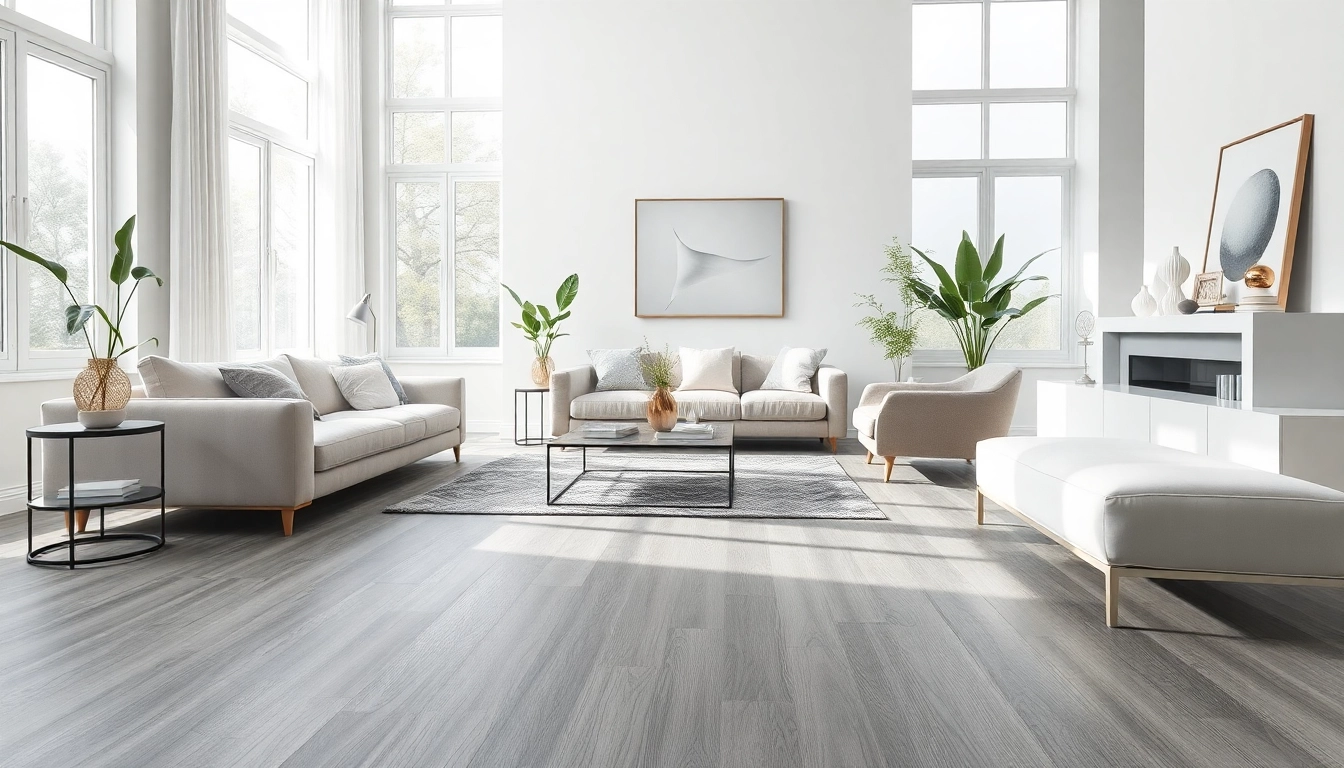
Understanding Grey Vinyl Flooring
What is Grey Vinyl Flooring?
Grey vinyl flooring is a type of resilient flooring known for its versatility and aesthetic appeal. Made from polyvinyl chloride (PVC), this synthetic material mimics the look of natural products like wood and stone while offering unique benefits that make it suitable for various environments. The subtle tones of grey can complement a wide range of interior design styles, making it an increasingly popular choice among homeowners and designers. Its water-resistant properties and durability further enhance its allure as a flooring solution. With options ranging from textured finishes to high gloss, grey vinyl flooring provides a modern aesthetic that fits seamlessly into any space. For those interested in exploring specific styles, there are many high-quality options available, including grey vinyl flooring that suit diverse preferences and functional needs.
Types and Varieties of Grey Vinyl Flooring
Grey vinyl flooring comes in various types, each presenting distinct characteristics optimized for specific uses:
- Sheet Vinyl: This type features large, continuous sheets that provide a seamless look, ideal for areas with high moisture, such as bathrooms and kitchens.
- Luxury Vinyl Plank (LVP): LVP mimics hardwood flooring, offering realistic textures and grains. It’s particularly favored in residential settings for its aesthetic appeal and durability.
- Luxury Vinyl Tile (LVT): Similar to LVP, LVT mimics natural stone or ceramic tiles, making it great for elegant settings. It is also highly customizable regarding size and design.
- Vinyl Composite Tile (VCT): A budget-friendly option, VCT is durable and easy to maintain, making it perfect for commercial spaces.
Common Uses of Grey Vinyl Flooring
This versatile flooring can be used in a variety of spaces:
- Residential Areas: Living rooms, bedrooms, and dining spaces benefit from the stylish and warm appeal of grey vinyl flooring, making it a popular choice among homeowners.
- Commercial Settings: Its durability and ease of maintenance make grey vinyl suitable for offices, retail stores, and educational institutions.
- Wet Areas: Bathrooms, laundry rooms, and kitchens are ideal applications for grey vinyl due to its water resistance.
- Basements: Grey vinyl flooring provides a stylish yet practical solution for basement renovations.
Benefits of Choosing Grey Vinyl Flooring
Durability and Maintenance
One of the primary advantages of grey vinyl flooring is its remarkable durability. Built to withstand heavy foot traffic, scratches, and stains, it is designed for longevity, making it an ideal choice for both residential and commercial applications. Regular maintenance is straightforward: simple sweeping and occasional damp mopping can keep the floor looking its best. Unlike natural materials, which may require periodic refinishing or sealing, grey vinyl flooring’s protective layer keeps it looking fresh without excessive upkeep.
Cost-Effectiveness of Grey Vinyl Flooring
Investing in grey vinyl flooring offers considerable cost savings when compared to other flooring options. Pricing varies based on quality and design, but in general, vinyl flooring is more affordable to purchase and install than natural wood or stone. Additionally, its durability means it doesn't require frequent replacement, further enhancing its cost-effectiveness. Energy-efficient options are also available, potentially lowering heating and cooling costs in a home.
Design Versatility and Style
Grey is a neutral color that coordinates well with various design palettes. Whether you desire a modern, minimalist look or a more eclectic arrangement, grey vinyl flooring adapts seamlessly. It's available in a myriad of finishes and textures, from matte to glossy, providing endless design possibilities. This versatility makes it suitable for a range of styles, including contemporary, rustic, and traditional.
Installation Guide for Grey Vinyl Flooring
Preparation and Tools Needed
Before installing grey vinyl flooring, proper preparation is crucial to ensure a successful outcome. Necessary tools and materials typically include:
- Measuring tape
- Utility knife
- Straight edge
- Adhesive (for glue-down installations)
- Flooring underlayment (if required)
- Roller or hand roller
- Cleaner and broom for floor preparation
Begin by measuring the flooring area to calculate the amount of material needed, and ensure that the subfloor is clean, dry, and level.
Step-by-Step Installation Process
Here’s a general overview of the installation process:
- Prepare the Subfloor: Clean and level the existing floor, removing any debris or old flooring as necessary. Repair any significant damage to the subfloor to ensure a smooth finish.
- Acclimate the Flooring: Let the vinyl flooring acclimate to the room's temperature and humidity for at least 48 hours before installation.
- Install Underlayment: If required, roll out underlayment to mitigate moisture and provide sound insulation.
- Lay the Vinyl: If using sheet vinyl, roll it out and cut to size. For vinyl planks, start from one corner and work across the room, clicking or gluing pieces together as needed.
- Secure the Edges: Use adhesive to secure the edges for sheet vinyl or install trim to finish the edges neatly.
- Roll the Floor: After installation, use a roller to ensure proper adhesion and prevent bubbles.
Common Mistakes to Avoid
To ensure a successful installation, avoid these common pitfalls:
- Neglecting to acclimate the flooring material.
- Installing over uneven or damaged subflooring.
- Using improper adhesive for the type of vinyl chosen.
- Not accounting for expansion gaps around the perimeter of the room.
- Skipping the cleanup of dust and debris prior to installation.
Design Ideas Featuring Grey Vinyl Flooring
Complementary Color Schemes
When decorating with grey vinyl flooring, consider pairing it with warm tones like beige, creams, and rich earth tones for a cozy atmosphere. Alternatively, bold colors like navy blue or deep green can create a stunning contrast that elevates the space’s modern feel.
Furniture Choices and Layouts
To maximize the impact of your grey vinyl flooring, select furniture that complements its aesthetic. Soft textures and natural materials work well, with upholstered pieces in lighter shades providing a serene atmosphere. For a bolder look, consider dark wood or metal furniture that can create a striking contrast against the grey base.
Accessorizing Your Space
Accessorizing effectively can transform your environment. Incorporate area rugs that feature colors found in your flooring or different textures to enhance the space visually. Additionally, consider wall art, curtains, and decorative pillows that echo elements of the grey flooring to create a cohesive design.
FAQs about Grey Vinyl Flooring
How long does grey vinyl flooring last?
With proper maintenance, grey vinyl flooring can last 10 to 20 years, depending on quality.
Is grey vinyl flooring waterproof?
Yes, many grey vinyl flooring options are waterproof, making them suitable for bathrooms and kitchens.
Can grey vinyl flooring be installed over existing flooring?
Yes, grey vinyl flooring can often be installed over existing floors if they are in good condition and level.
How do I clean grey vinyl flooring?
Regular sweeping and occasional damp mopping with a gentle cleaner will keep grey vinyl flooring looking new.
Is grey vinyl flooring safe for children and pets?
Yes, grey vinyl flooring is typically safe, free of harmful chemicals, and provides a comfortable surface for kids and pets.