Understanding Panel Switch Technologies
In the ever-evolving landscape of electronics, panel switches have emerged as pivotal components across various applications. Particularly in industrial, automotive, and residential settings, these switches enable users to control devices and systems with ease and precision. As technology advances, manufacturers are continuously enhancing the capabilities of panel switches to meet the diverse needs of modern users. In this article, we will dive deep into the features, applications, and innovations surrounding panel switches, providing you with a comprehensive understanding of these essential devices. Whether you are someone looking for a first-class business partner in electronics or an engineer searching for the best solution, exploring panel switch options can guide your decision-making process.
What is a Panel Switch?
A panel switch is a device that controls the operation of electrical equipment. Designed to be mounted on a control panel, these switches provide ease of access and functionality in both residential and industrial applications. Unlike standard toggle or push-button switches, panel switches can encompass a range of designs, including rocker, momentary, and rotary switches, each serving specific functions and aesthetic needs. Panel switches play a crucial role in various applications, enabling users to operate complex systems with minimal confusion.
Key Features of Modern Panel Switches
Modern panel switches come equipped with a multitude of features designed to enhance user experience and performance. Some key features include:
- Robust Design: Many panel switches are constructed to endure harsh environmental conditions, including extreme temperatures and exposure to moisture or dust.
- Illumination: LED illumination options not only enhance visibility in low-light conditions but also allow for custom color coding, helping users identify switch functions quickly.
- Customization: Customers often have the option to customize the shape, size, and configuration of panel switches to fit specific applications.
- Sealing and Protection: Many modern panel switches are designed to meet IP67 or higher ratings, ensuring they are dustproof and waterproof, perfect for outdoor or industrial use.
Applications Across Industries
Panel switches find applications in a variety of sectors, such as:
- Automotive: Used in vehicles to control lighting, ignition, and other electrical systems.
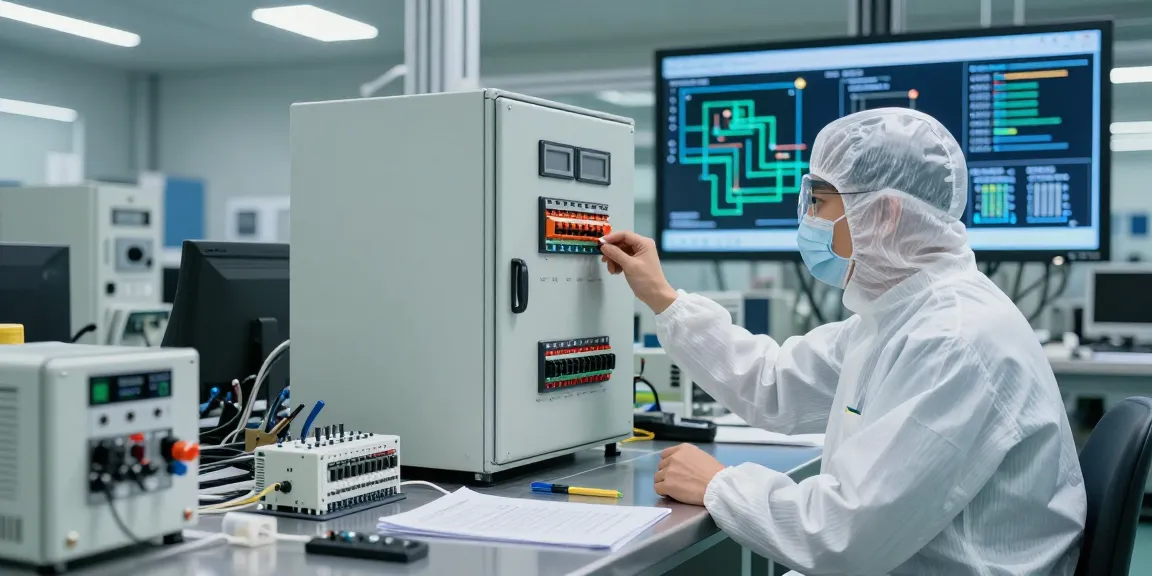
- Industrial Equipment: Employed in manufacturing plants for machinery control and automation processes.
- Residential Settings: Found in home automation systems for controlling lighting and appliances.
- Consumer Electronics: Used in devices where user input is required, such as washing machines and microwave ovens.
Choosing the Right Panel Switch for Your Needs
Selecting the appropriate panel switch for a specific application involves considering multiple factors that can influence performance and longevity. The following sections will guide you through important considerations, common challenges, and best practices for panel switch selection and implementation.
Factors to Consider When Selecting a Panel Switch
Choosing the right panel switch can be daunting, but focusing on essential factors can simplify the process:
- Current Rating: Ensure that the switch can handle the electrical load of the application.
- Size Constraints: Verify dimensions to ensure a proper fit within the control panel.
- Environmental Considerations: Assess whether the switch needs to withstand moisture, dust, or extreme temperatures.
- Operational Life: Consider the expected lifespan of the switch, especially in high-usage applications.
Common Problems and Solutions in Panel Switch Selection
Despite careful planning, challenges may arise during the selection of panel switches. Some common issues include:
- Incompatibility with Existing Systems: Ensure that the new switches are compatible with current hardware to avoid implementation delays.
- Misjudging Electrical Load: Conduct load testing to confirm that selected switches can handle the application's power requirements.
- Inadequate Protection Ratings: Choose switches with appropriate ingress protection ratings for the specific environment.
Solutions can often be found by consulting with manufacturers or specialists familiar with electrical components.
Best Practices for Panel Switch Implementation
To ensure successful implementation of panel switches, consider these best practices:
- Consult Technical Specifications: Always refer to the specifications provided by manufacturers for guidance on installation and usage.
- Conduct Regular Maintenance: Check switches periodically to catch any signs of wear or malfunction early.
- Documentation: Keep detailed records of the specifications and installation processes for future reference.
Innovations in Panel Switch Design
The future of panel switch design is bright, with ongoing innovations that enhance functionality and user experience. In this section, we will explore recent trends, case studies, and the future landscape of panel switches in automation.
Recent Trends in Panel Switch Technologies for 2026
As we look toward the future, several trends in panel switch technology are emerging:
- Smart Switches: As home automation becomes more prevalent, panel switches are being integrated with smart technology, allowing for remote operation via apps or voice commands.
- Sustainability Initiatives: Eco-friendly materials are becoming popular for switch construction, aligning with greater environmental sustainability goals.
- Advanced User Interfaces: Touch-sensitive or capacitive panel switches are gaining traction, providing a modern and sleek user experience.
Case Studies: Successful Implementations of Innovative Panel Switches
To illustrate the impact of innovative panel switches, consider the following case studies:
- Automotive Innovation: A major automotive manufacturer integrated smart panel switches into their vehicle models, allowing for personalized driver settings and improved safety features.
- Industrial Automation: A manufacturing plant implemented touchscreen panel switches to control production lines, resulting in a 20% increase in operational efficiency.
The Future of Panel Switches in Automation
The integration of artificial intelligence and machine learning into panel switch technology is set to revolutionize their application, enabling predictive maintenance and self-diagnosing capabilities that greatly enhance user experience.
Performance and Maintenance of Panel Switches
After installation, ensuring the performance and longevity of panel switches is crucial to maintain operational efficiency. This section provides best practices and troubleshooting tips.
Best Practices for Ensuring Longevity of Panel Switches
To maximize the lifespan of panel switches, adhere to the following practices:
- Regular Cleaning: Keep the switch surface clean to prevent adherence of dirt or grime that can affect functionality.
- Avoid Overloading: Ensure the switch is not overloaded beyond its rated current, which can result in premature failure.
- Temperature Monitoring: Keep switches within recommended temperature ranges to prevent thermal damage.
Common Maintenance Issues and How to Address Them
Here are some common issues and their solutions:
- Unresponsive Switches: Inspect for dirt buildup or wiring issues; clean and repair as needed.
- Electrical Arcing: Ensure proper load management to prevent damage to internal components.
Monitoring Panel Switch Performance in Real-Time
Integrating smart technology allows for real-time monitoring of panel switch performance, providing instant alerts for potential issues and improving response times to faults.
Industry Insights and Expert Recommendations
Finally, industry experts share insights into the panel switch market and recommendations for leveraging technology for optimal performance. Understanding the trends and supplier relationships can significantly impact implementation success.
Expert Opinions on Panel Switch Trends for 2026
Experts predict that the future of panel switches will be impacted by the integration of Internet of Things (IoT) technology, pushing for smarter, more energy-efficient solutions that enhance both user experience and environmental sustainability.
Building Relationships with Panel Switch Suppliers
Fostering strong partnerships with panel switch manufacturers ensures access to the latest technologies, support, and resources necessary for effective integration into projects.
Frequently Asked Questions About Panel Switches
Some common queries about panel switches include:. Additionally, Capacitive switch provides further details.
- What type of panel switch is best for outdoor applications? Waterproof and dustproof switches with higher IP ratings are ideal.
- How do I determine the right load for my panel switch? Consider both the voltage and current requirements of the connected devices.