
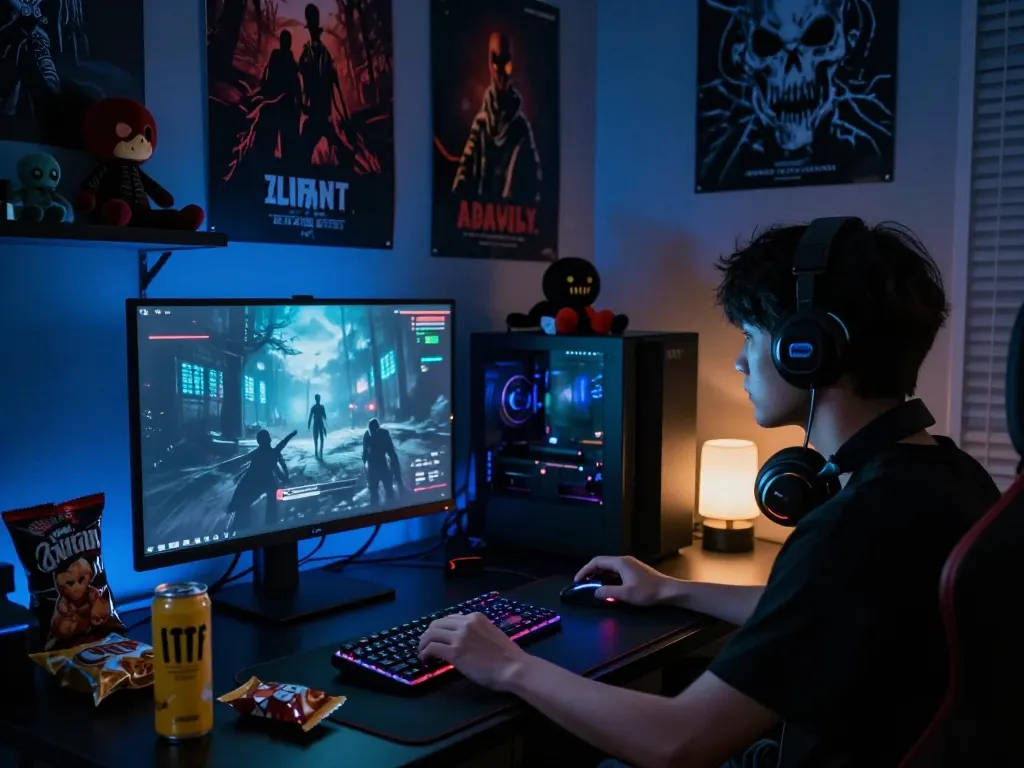
The Resurgence of Horror Games in 2026
Horror games have witnessed a remarkable revival in recent years, captivating a new generation of players alongside long-time fans. As the gaming landscape evolves, so does the demand for immersive experiences that blend fear, excitement, and psychological thrills. This surge in popularity can be attributed to several factors, including technological advancements, a growing interest in narrative-driven gameplay, and the ability of developers to push the boundaries of the genre. As you explore the latest developments in this thrilling market, Horror Games Are Surging Again offers comprehensive insights into these trends and more.
Why Are Horror Games So Popular Right Now?
The resurgence of horror games can be linked to a variety of social and technological factors that resonate with today’s players. The current generation of gamers seeks more than just gameplay; they crave immersive narratives that resonate on a personal level. Horror games, with their unique ability to evoke emotional responses, provide an avenue for players to confront fears in a safe environment, fostering a sense of catharsis.
Streaming platforms like Twitch and YouTube have further amplified this popularity. Content creators who showcase their gameplay reactions to horror games have introduced these titles to vast audiences, generating buzz and enticing new players to explore the genre. The combination of social interaction, fear, and excitement makes for compelling viewing and even more compelling gameplay.
Key Factors Driving the Genre's Comeback
- Technological Advancements: New gaming engines and graphics capabilities have allowed for more realistic environments and terrifying experiences.
- Enhanced Storytelling: Modern horror games focus on intricate narratives that engage players, making them invested in the characters and outcomes.
- Emergence of Indie Games: Independent developers are delivering innovative horror experiences, often with minimal budgets but high artistic value.
- Community Engagement: Gamers are more connected than ever, sharing their gameplay experiences and recommendations across social media platforms.
Trends in Player Preferences and Behavior
Understanding player preferences is key to grasping the resurgence of the horror genre. Players increasingly lean towards experiences that blend genres—combining horror with puzzle-solving, exploration, and even elements of humor. Furthermore, there’s a noticeable shift towards cooperative horror experiences, where players can band together to confront fears, sharing the weight of tension and fear.
Additionally, the role of virtual reality (VR) in horror gaming cannot be overlooked. VR technology has significantly changed the way players experience fear, placing them directly into the heart of the horror narrative and allowing for unparalleled immersion. Titles designed specifically for VR platforms have seen soaring popularity as they offer a level of realism that traditional games often lack.
Top Horror Games Shaping the Landscape
Upcoming Releases to Watch in 2026
The horizon for horror gaming in 2026 looks exceptionally promising. Major releases are set to reinvigorate the genre, offering both sequels to beloved franchises and entirely new experiences. Fans of horror can look forward to titles such as:
- Resident Evil 4 Remake: Building upon its predecessor’s legacy with enhanced graphics and gameplay mechanics.
- Silent Hill Townfall: A new entry in the iconic series that promises to delve deeper into psychological horror.
- Fatal Frame: Mask of the Lunar Eclipse Remaster: A classic title making its return with updated visuals and controls.
- Alan Wake II: A sequel that continues to explore the psyche of its protagonist within a haunting narrative.
Innovative Mechanics Redefining Gameplay
In 2026, game developers are experimenting with innovative mechanics that push the boundaries of traditional horror gameplay. One noteworthy trend is the integration of procedural generation, which enhances replayability and ensures that no two playthroughs are alike. This approach allows developers to create environments that feel fresh and unpredictable, keeping players on their toes.
Another emerging mechanic is the strategic use of sound design. Players are increasingly becoming aware that audio can be just as terrifying as visuals. Games are utilizing 3D audio technology to create an immersive atmosphere, where every creak and whisper adds to the tension, making players feel as though they are never truly alone.
Indie vs. AAA: Who's Leading the Charge?
While AAA titles certainly dominate the market, indie developers have carved out a niche that is equally compelling. Indie games often explore unique concepts and experimental gameplay, unbounded by the constraints that larger studios face. Notable indie titles have been praised for their creativity, emotional depth, and ability to deliver genuine scares. Games such as Amnesia: Rebirth and Devotion have set benchmarks for storytelling and atmosphere that even AAA titles aspire to achieve.
However, major studios are beginning to take notice of the indie wave, incorporating successful elements from these smaller games into their own releases. The resulting blend creates a rich tapestry of horror gaming, appealing to a broad spectrum of player experiences.
The Psychology Behind Horror Gaming
Why Players Crave Fear and Thrills
The allure of horror games is deeply rooted in psychology. The genre taps into fundamental human emotions, leveraging fear as a primary tool for engagement. Many players are drawn to the adrenaline rush that accompanies moments of suspense; this engagement triggers a series of physiological responses that can be exhilarating.
Furthermore, horror games often serve as a safe mechanism for confronting personal fears. Players can explore terrifying scenarios without real-world consequences, allowing them to process complex emotions and situations in a controlled environment. This psychological aspect adds layers to the gaming experience, making it appealing not just for thrills but for deeper emotional exploration.
The Role of Community in the Horror Genre
Community engagement is vital in the horror gaming landscape. Online forums, social media groups, and streaming platforms facilitate discussions that further enhance the experience. Players sharing their stories, tips, and discoveries foster a sense of camaraderie, drawing new players into the genre. Events like Halloween-themed gaming marathons often see communities come together to share their love for horror games, creating an inclusive environment that celebrates the genre.
Player Demographics: Who's Playing Horror Games?
Traditionally, horror games were perceived to attract a niche audience, predominantly consisting of young adult males. However, recent trends reveal a broader demographic engagement, including older players and a growing female audience. The evolution of storytelling in horror games has made them more relatable and accessible, appealing to a diverse range of players. Developers are increasingly aware of this shift, leading to the creation of characters and narratives that resonate across various demographics.
Challenges and Criticisms Facing Horror Games
Common Misconceptions About the Genre
Despite their growing popularity, horror games face numerous misconceptions that can deter potential players. Many believe that horror is solely reliant on jump scares and gore, overlooking the rich narratives and emotional depth found in many titles. Educating gamers about the intricacies of horror can help break down these barriers, encouraging a wider audience to explore the genre.
Issues of Representation and Diversity in Horror
Another pressing challenge involves the representation of characters within horror narratives. Historically, the genre has been criticized for its lack of diversity and often stereotypical portrayals. However, the industry is starting to address these issues. Developers are increasingly focusing on creating well-rounded characters from various backgrounds, proving that horror can be a diverse space that reflects a myriad of experiences.
Balancing Fear with Gameplay: The Fine Line
Developers also face the challenge of balancing fear with engaging gameplay. Too much focus on horror elements can hinder the experience, leading to frustration rather than enjoyment. Striking the right balance is crucial, ensuring that fear enhances gameplay rather than obstructing it. Game mechanics must be designed thoughtfully to allow players to feel both terrified and rewarded for their accomplishments.
The Future of Horror Gaming: What to Expect
Emerging Technologies Influencing Horror Games
As we move further into 2026, emerging technologies will continue to shape the landscape of horror gaming. Innovations such as augmented reality (AR) and artificial intelligence (AI) are set to enhance player experiences, creating more immersive environments that adapt to player behavior. Expect to see horror games that employ AR to merge gameplay with the real world, adding a layer of interactivity that was previously unimaginable.
Predictions for the Genre's Development Beyond 2026
Looking ahead, it is likely that the horror genre will continue to evolve, driven by player feedback and technological advancements. Developers will increasingly explore themes of mental health and societal fears, creating narratives that resonate on a deeper level. This shift could broaden the appeal of horror games, attracting players who may not have previously engaged with the genre.
How Developers Are Addressing Player Feedback
As gaming communities grow, player feedback becomes an invaluable resource for developers. Many studios are actively soliciting input to refine their games, ensuring they meet the expectations of their audience. This responsiveness not only cultivates loyalty among players but also helps to enhance the quality of horror games, making them more engaging and satisfying.
What’s Next for Horror Game Fans?
For fans of horror games, the future looks bright. With an exciting array of upcoming titles, innovative gameplay mechanics, and a growing recognition of the genre's potential for storytelling, players can expect thrilling experiences that push the boundaries of fear. Whether through high-budget releases from major studios or groundbreaking indie projects, horror gaming is set to maintain its status as a captivating and essential part of the gaming experience.