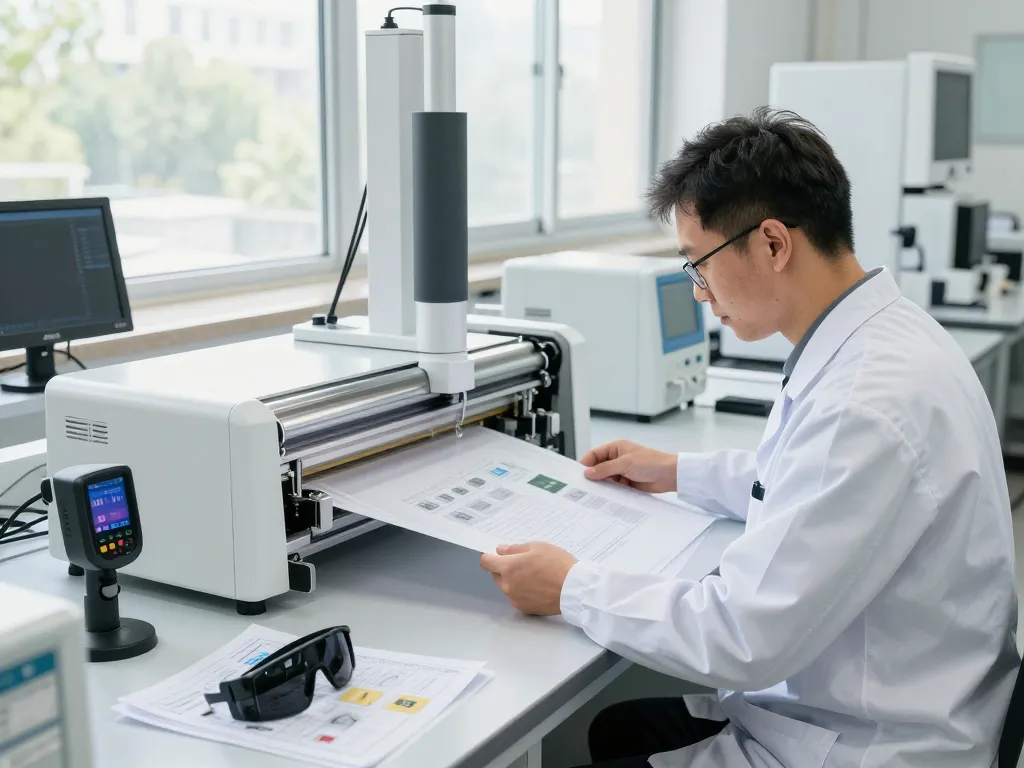
Understanding Plastic Laminating and Its Challenges
Plastic lamination is a widely used technique that offers various benefits for document preservation, including protection against moisture, dust, and physical damage. However, the process of applying plastic covers can lead to significant challenges when it comes to removing them. Questions often arise about how to effectively remove plastic lamination without damaging the underlying documents. If you're looking to explore options in this area, bóc ép plastic bắc giang provides comprehensive insights into methods and technologies available today.
What Is Plastic Lamination?
Plastic lamination involves encasing documents within a thin layer of plastic, typically using heat or pressure. This process enhances the durability of documents, making them resistant to wear and tear. Laminated documents are commonly used in a variety of settings, including schools, offices, and homes, to protect vital records and materials.
Common Problems with Laminated Documents
- Document Damage: Improper removal can lead to tears, loss of printed information, or ripping of the paper itself.
- Poor Adhesion: Over time, laminated layers can peel away from the document, compromising both appearance and integrity.
- Yellowing and Cloudiness: Exposure to heat and moisture can cause the plastic to change color or become cloudy, which diminishes the overall look of the document.
Long-Term Effects of Poor Laminating Practices
When documents are improperly laminated, the long-term effects can be detrimental. The adhesive used in lamination can break down over time, causing the plastic to bond permanently with the document. This can lead to challenges in removal, resulting in damage and necessitating professional intervention. Furthermore, the use of low-quality materials can exacerbate these issues, leading to further deterioration of the underlying paper.
Methods for Removing Plastic Lamination Safely
There are several methods available for safely removing plastic lamination without damaging the document. Understanding the pros and cons of each method is essential for achieving the best results.
Using Heat: Pros and Cons
One common method involves using heat to soften the adhesive between the plastic and the document. This can be done using techniques such as hair dryers or heat guns.
- Pros: Heat can effectively weaken the bond of the adhesive, making it easier to peel away the plastic layer.
- Cons: There is a significant risk of damaging the document itself. If the heat is too intense or applied for too long, it can scorch the paper or cause fading of the printed text.
Non-Force Removal Methods Explained
Non-force methods provide a safer alternative for document preservation. These techniques utilize advanced technologies that don't rely on physical manipulation, minimizing the risk of damage. For instance, specialized solvents can be applied to dissolve the adhesive without affecting the paper.
Best Practices for Document Preservation During Removal
When preparing to remove plastic lamination, it’s essential to have a plan in place. Here are some best practices:
- Assess the Document: Evaluate the condition of the document to determine the best method for removal.
- Use Quality Tools: Invest in appropriate tools and materials, such as high-quality solvents or heat sources.
- Work Slowly: Take your time during the removal process to avoid causing damage.
Preparing for the Bóc Ép Plastic Bắc Giang Process
Before undertaking the removal of plastic lamination, proper preparation can enhance the outcome. Identifying the right tools and safety precautions is crucial.
What You Need: Tools and Equipment
- Heat source (if using heat method)
- Specialized adhesive removers
- Protective gloves and eyewear
- Clean cloths for wiping
Safety Precautions to Consider
Always prioritize safety when dealing with heat or chemical solutions. Ensure adequate ventilation and wear protective gear to prevent any accidents. Additionally, test any solvent on a small, inconspicuous area before applying it to the entire document.
Evaluating Document Conditions Before Removal
Carefully inspect each document to assess its susceptibility to damage. Consider factors such as age, paper quality, and previous handling, which can influence the effectiveness of removal methods.
Real-World Case Studies: Successful Removals
Gaining insights from successful cases can provide confidence and direction for your own removal efforts. Here are some notable examples.
Customer Testimonials on Bóc Ép Plastic Services
Many customers have shared their positive experiences with professional services that specialize in plastic lamination removal. These testimonials often reflect the reliability and effectiveness of the processes used by trained technicians.
Before and After: Document Restoration Examples
Visual documentation of the restoration process can highlight the differences achieved through professional removal services. Many companies provide galleries showcasing before-and-after photos, illustrating how expertly handled documents can be restored to their original form.
Key Insights from Industry Experts
Experts in document preservation stress the importance of trusting professionals for complex removals. They often recommend methods that minimize the risk of error, emphasizing the value of experience and specialized knowledge in this field.
Future Trends in Document Preservation Technologies
The field of document preservation is constantly evolving, with advancements in technology leading the way. Here’s what to expect in the coming years.
Innovations in Non-Force Removal Techniques
Emerging technologies are paving the way for innovative methods that enhance document preservation. These methods focus on reducing physical damage while efficiently removing plastic layers.
Environmental Considerations in Document Preservation
As environmental concerns grow, the industry is moving toward more sustainable practices. This includes the use of eco-friendly materials and solutions that minimize waste during the lamination removal process.
What to Expect in the Next 5 Years Regarding Laminating and Document Care
The next five years promise significant advancements in both tools and techniques for document preservation. New materials will likely emerge that provide better protection and easier removal, reflecting ongoing research and consumer demand for innovative solutions.
What methods are safest for removing laminated documents?
While several methods exist, non-force techniques and specialized adhesive solutions are generally regarded as the safest options for removing laminated documents without causing damage.
How does non-force technology work in plastic separation?
Non-force technology typically utilizes chemical agents or advanced machinery that separates the plastic layer from the document without mechanical interference, thus preserving the integrity of the paper underneath.
What are the benefits of professional plastic removal services?
Professional services bring experience, specialized tools, and techniques that mitigate risks associated with self-removal methods. They also provide assurances of document safety and restoration capabilities.
Can I remove plastic lamination at home?
While some methods are feasible for home use, professional services are recommended for valuable or delicate documents. Attempting DIY removal can lead to irreversible damage.
What to do if a document gets damaged during removal?
In cases where damage occurs, seeking professional restoration services is crucial. Many experts can salvage damaged documents, restoring them to an acceptable condition.