1. Overview of the Everest Base Camp Trek
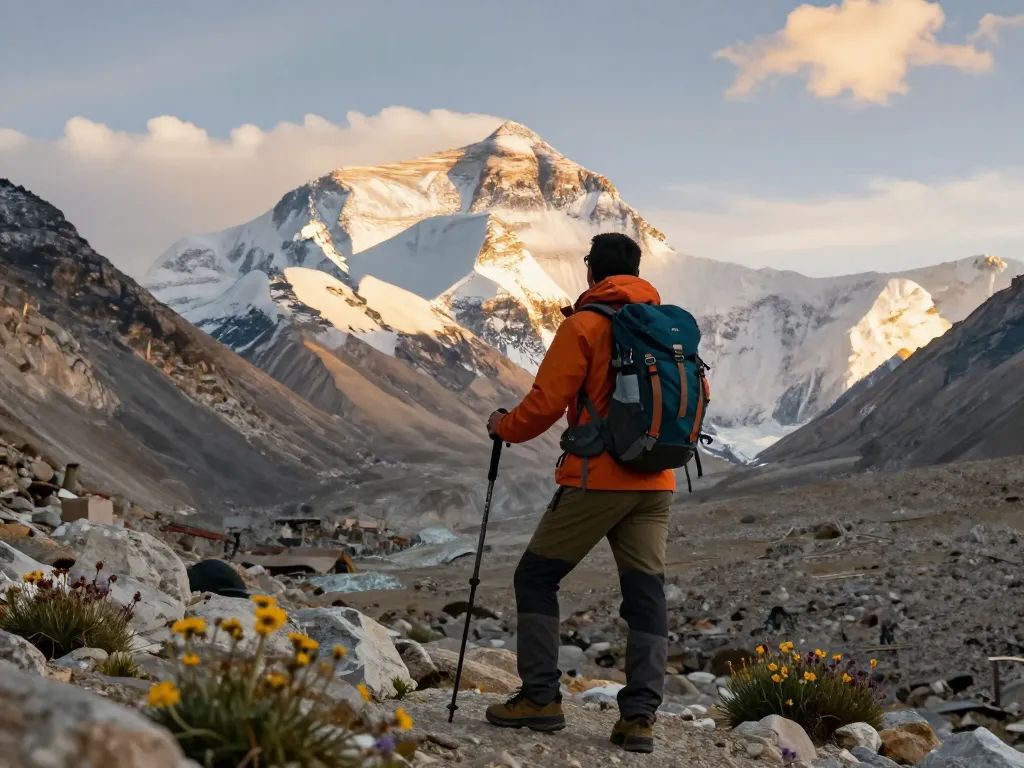
The Everest Base Camp Trek is one of the most iconic trekking routes in the world, attracting adventurers from all corners of the globe. Nestled within Nepal's majestic Khumbu region, this trek presents an extraordinary opportunity to witness breathtaking vistas, rich cultural experiences, and the thrill of walking in the shadows of the world's highest peak—Mount Everest. Spanning 14 days, the trek leads travelers through stunning landscapes, charming Sherpa villages, and ancient monasteries, culminating in an unforgettable experience at Everest Base Camp, situated at an altitude of 5,364 meters (17,598 feet).
What is the Everest Base Camp Trek?
The Everest Base Camp Trek is a challenging yet rewarding trekking adventure that takes you to the foot of Mount Everest. It is a journey that combines breathtaking natural beauty, rugged terrains, and a glimpse into the rich culture of the Sherpa people. Trekkers will traverse through lush forests, cross rushing rivers, and walk along rocky trails that lead to one of the most sought-after destinations in the world.
Key Highlights of the Trek
- Stunning views of the world's tallest peaks, including Mt. Everest, Lhotse, and Makalu.
- Exploration of vibrant Sherpa villages, including Namche Bazaar and Dingboche.
- Visits to ancient monasteries, such as Tengboche Monastery.
- Acclimatization days that allow trekkers to adjust to high altitudes.
- Unique opportunities to engage with local cultures and traditions.
Why Choose the Everest Base Camp Trek?
This trek is not just about reaching a destination; it’s about the journey itself. The Everest Base Camp Trek is perfect for those seeking adventure, stunning landscapes, and an opportunity to challenge themselves physically and mentally. Additionally, with a well-established infrastructure including teahouses and guides, trekkers can feel confident that they are supported throughout their journey.
2. Detailed Itinerary for 2026
14-Day Journey Breakdown
The Everest Base Camp Trek is structured to provide a comprehensive experience, allowing trekkers ample time to adjust to the altitude while exploring the stunning landscapes. The journey is carefully planned to include acclimatization days that are essential for a safe trekking experience. Below is a day-by-day breakdown of the trek:
Day-by-Day Activities and Highlights
- Day 1: Arrival in Kathmandu and transfer to hotel.
- Day 2: Fly to Lukla, trek to Phakding.
- Day 3: Trek to Namche Bazaar.
- Day 4: Acclimatization day in Namche; hike to Hotel Everest View.
- Day 5: Trek to Tengboche.
- Day 6: Trek to Dingboche.
- Day 7: Acclimatization day; hike to Nangkartsang Peak.
- Day 8: Trek to Lobuche.
- Day 9: Trek to Everest Base Camp and return to Gorak Shep.
- Day 10: Early morning hike to Kala Patthar; descend to Pheriche.
- Day 11: Trek back to Namche Bazaar.
- Day 12: Trek to Lukla.
- Day 13: Fly back to Kathmandu.
- Day 14: Departure from Kathmandu.
Acclimatization and Its Importance
Acclimatization is crucial when trekking at high altitudes. It allows your body to adjust to the decrease in oxygen levels and helps prevent altitude sickness. The itinerary includes designated acclimatization days strategically placed before reaching higher altitudes to enhance your chances of completing the trek successfully.
3. Costs and Inclusions for the EBC Trek
Understanding the Overall Cost Breakdown
The cost of the Everest Base Camp Trek can vary significantly depending on the services provided, the trekking agency, and the type of package selected. As you plan your trek for 2026, understanding the different costs involved will help you budget effectively.
What’s Included in Your Trek Package?
- All necessary permits, including TIMS and Sagarmatha National Park Permit.
- Accommodation in teahouses or lodges.
- Meals during the trek (breakfast, lunch, and dinner).
- Expert trekking guide and porters.
- Domestic flights from Kathmandu to Lukla and back.
- Pre-trek meeting to discuss itinerary and answer questions.
Exclusions to Note for Budget Planning
While the trek package covers many essentials, there are some costs that are typically not included. These may include:
- International flights to and from Nepal.
- Travel insurance that includes high-altitude coverage.
- Personal expenses such as snacks, drinks, and souvenirs.
- Tipping for guides and porters.
- Any additional costs arising from unforeseen circumstances.
4. Preparation Tips for a Successful Trek
Physical Fitness and Training Requirements
Preparing for the Everest Base Camp Trek requires a focus on physical fitness. Since the trek involves long days of walking with elevation gains, it's essential to engage in a training regimen that builds stamina and strength. Recommended activities include hiking, running, and strength training, ideally starting two months before your trek.
Essential Packing List for the EBC Trek
Having the right gear is vital for your comfort and safety during the trek. Your packing list should include:
- Durable trekking boots.
- Warm layers of clothing (including base layers, fleece jackets, and down jackets).
- Waterproof gear and a good-quality daypack.
- Sleeping bag rated for minus temperatures.
- Basic first aid kit, personal medications, and hygiene products.
- Sun protection items such as sunscreen, sunglasses, and hats.
Common Safety Precautions and Health Tips
Being aware of your health and safety while trekking is crucial. Ensure your travel insurance covers high-altitude activities, and consult with a doctor about any necessary vaccinations or medications. Carry a first aid kit and familiarize yourself with the symptoms of altitude sickness. Proper hydration and a balanced diet will also contribute to your health on the trek.
5. Frequently Asked Questions About the EBC Trek
What is the best time to start the trek?
The optimal times to embark on the Everest Base Camp Trek are typically during spring (March to May) and autumn (September to November). These seasons offer the best weather conditions and clear views.
Do I need a guide for the Everest Base Camp Trek?
While it is possible to trek without a guide, having a knowledgeable local guide significantly enhances your experience. They provide insights about the culture, help with navigation, and ensure your safety on the trek.
How to handle altitude sickness during the trek?
Preventing altitude sickness is essential during your trek. Take acclimatization days seriously, ascend gradually, stay hydrated, and listen to your body. If you experience symptoms, descend to a lower altitude immediately and seek assistance.