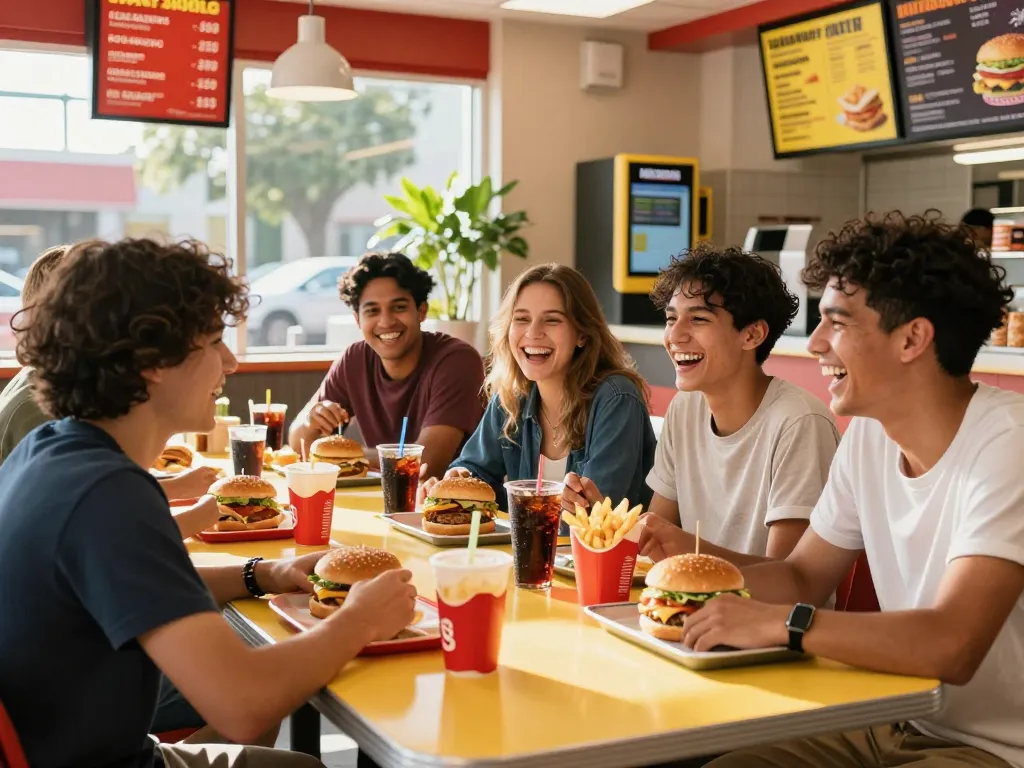
Introduction to Fast Food Menus in 2026
Fast food menus have undergone significant transformations over the past decade, adapting to shifting consumer preferences, health consciousness, and technological advancements. With the fast food industry projected to continue growing, understanding the future dynamics of fast food menus is essential for both consumers and businesses alike. As we step into 2026, menus are becoming increasingly diverse, catering to a broader range of dietary preferences, including vegan, gluten-free, and low-calorie options. For anyone interested in exploring a wide variety of fast food options, the fast food menu offers comprehensive insights into the evolving landscape.
Overview of Fast Food Trends
Fast food trends are heavily influenced by cultural shifts, health trends, and consumer demands for transparency. In recent years, plant-based diets have gained traction, prompting chains to introduce meat alternatives and offer more vegetarian and vegan items. Additionally, the rise of food apps and online ordering has revolutionized how consumers access fast food, leading to the development of delivery-only ghost kitchens.
Moreover, the importance of sustainability has pressured chains to source ingredients responsibly and reduce packaging waste. As environmental concerns become paramount, fast food brands are re-evaluating their operational procedures to align with more eco-friendly practices.
Importance of Menus in Customer Choices
The structure and content of a fast food menu play a crucial role in shaping customer choices. A well-designed menu not only showcases the offerings but also influences the purchasing decision through strategic placements and vivid descriptions. Research indicates that menus showcasing high-quality images and clear nutritional information result in higher sales for featured items.
Moreover, menus that reflect current food trends, such as featuring local ingredients or trendy dishes, can attract a more health-conscious clientele. This adaptability is essential as consumer preferences continue to evolve.
Future Projections for Fast Food Offerings
Looking ahead to 2026, the fast food sector is expected to innovate further. Many chains are exploring artificial intelligence (AI) for personalized menu suggestions based on customer data, dietary restrictions, and previous orders. We may also see a significant increase in customizable menu items, allowing consumers to tailor their orders to suit individual preferences.
Additionally, trends such as meal kits and hybrid offerings—combining different culinary styles—are predicted to gain momentum within fast food menus, creating even more varied dining experiences.
Key Components of a Fast Food Menu
Popular Items to Include
The backbone of any fast food menu includes classics such as burgers, fries, and soft drinks. However, regional variations can significantly impact what is popular. For instance, certain areas may prefer spicy chicken sandwiches or local specialties. Recognizing popular items allows chains to tailor their menus effectively.
- Burgers: Always a staple, variations including beef, chicken, and plant-based options cater to all preferences.
- Fried Chicken: Popular across numerous chains, items like chicken nuggets and tenders are frequently favored.
- Vegetarian/Vegan Options: As demand grows, plant-based alternatives are becoming essential.
- Breakfast Items: All-day breakfast menus are increasingly common, appealing to diverse dining habits.
Customization Options for Customers
In today's fast-paced environment, customization can enhance customer satisfaction. Chains that offer build-your-own options for burgers, salads, and drinks enable consumers to have a hand in crafting their meals. This interaction not only elevates the dining experience but also fosters brand loyalty, encouraging repeat visits.
Moreover, easy-to-use technology interfaces for both in-store kiosks and mobile apps facilitate the customization process, allowing consumers to select ingredients, sauces, and sides at their convenience.
Healthier Options and Dietary Considerations
Increasingly, consumers are prioritizing health and wellness in their dining choices. As such, fast food menus must include healthier options. Chains are responding by offering low-calorie meals, salads, and items rich in whole grains. Transparency regarding calories and ingredients is becoming essential as consumers demand more nutritional information.
- Gluten-Free Items: Catering to gluten sensitivities has become an industry standard.
- Low-Carb and Keto Options: Fast food menus are adapting to meet the needs of those following specific diet plans.
- Nutritional Transparency: Providing clear calorie counts and ingredient lists enhances trust and consumer satisfaction.
Marketing Strategies for Fast Food Menus
Leveraging Social Media for Promotions
In an era dominated by digital interaction, social media has become a powerful marketing tool. Fast food chains are now using platforms such as Instagram, TikTok, and Twitter to engage with customers. Creative campaigns featuring limited-time offers or trending menu items can rapidly gain traction and reach a broader audience.
Additionally, user-generated content and customer reviews can amplify brand trust and authenticity, encouraging others to try new menu items.
Impact of Influencer Marketing on Menu Awareness
Influencer marketing has proven effective in generating buzz around new menu items. Collaborating with food bloggers or social media influencers can introduce a brand's offerings to a wider audience and create a sense of urgency around limited-time promotions. This method can significantly enhance a brand's visibility and strengthen community ties.
Creating a Strong Brand Identity
Establishing a strong brand identity is crucial to stand out in a saturated market. This identity should be reflected not only in menu design but also in marketing, store decor, and customer service. Consistent branding helps foster customer loyalty and reinforces the chain's values, whether it focuses on quality, speed, or sustainability.
Challenges in Developing Fast Food Menus
Addressing Food Quality Concerns
As customers become more discerning, food quality concerns are rising to the forefront. Fast food chains must ensure their supplies are fresh and that their food meets safety standards. Maintaining quality consistency across numerous locations can be challenging, particularly for international chains.
Strategies such as local sourcing and quality checks can be implemented to address these concerns and maintain customer trust.
Dealing with Supply Chain Issues
Global supply chain disruptions have highlighted the vulnerabilities within the food industry. Fast food chains must develop robust supply chain strategies to ensure ingredient availability while managing costs. Diversifying suppliers and fostering strong relationships can help mitigate risk, while investing in technology can streamline the ordering process.
Adapting to Changing Consumer Preferences
Fast food chains must remain agile and adapt swiftly to changing consumer preferences. The emphasis on health, sustainability, and innovative dining options are trends that demand continuous attention. Regularly updating menus and integrating consumer feedback is essential for staying relevant.
Establishing a feedback loop, perhaps through surveys or social media engagement, can provide valuable insights into customer preferences and expectations.
Conclusion and Future of Fast Food Menus
Innovations in Food Technology
The future of fast food menus will be heavily influenced by technological advancements. From smart kitchens that improve food preparation efficiency to AI-driven menu recommendations, technology is set to transform the consumer experience dramatically. Keeping pace with these innovations will be crucial for companies aiming to remain competitive.
Anticipated Consumer Behavior Changes
As societal attitudes shift, we can anticipate more consumers prioritizing convenience and health when choosing fast food. Fast food chains must be prepared to respond proactively, offering smarter menus that cater to these changing demands.
Final Thoughts on Menu Evolution for 2026
In summary, fast food menus are evolving rapidly in response to consumer needs, technological advancements, and health consciousness. The key to success in 2026 will be flexibility and innovation, ensuring menus not only appeal to current trends but also anticipate future desires. Establishing a connection with consumers through tailored offerings and transparent practices will enhance brand loyalty and ultimately drive success in the competitive fast food landscape.
What are the most popular items on a fast food menu?
Popular items typically include burgers, fries, chicken nuggets, pizza, and unique local specialties. Understanding these preferences can help chains effectively tailor their menus.
How can fast food restaurants cater to dietary restrictions?
By clearly labeling menu items with dietary information, providing gluten-free and vegan options, and allowing for customization, fast food restaurants can better accommodate various dietary needs.
What marketing strategies are effective for fast food menus?
Effective strategies include social media promotions, influencer partnerships, and loyalty programs, which can create a buzz around new offerings and increase customer engagement.
How do fast food menus evolve with consumer trends?
Fast food menus evolve by incorporating popular culinary trends, utilizing customer feedback for menu innovation, and adapting to societal shifts such as health consciousness and sustainability.
What challenges do fast food chains face with menu updates?
Challenges include maintaining food quality, managing supply chain logistics, and ensuring that new offerings meet customer expectations while aligning with brand identity.