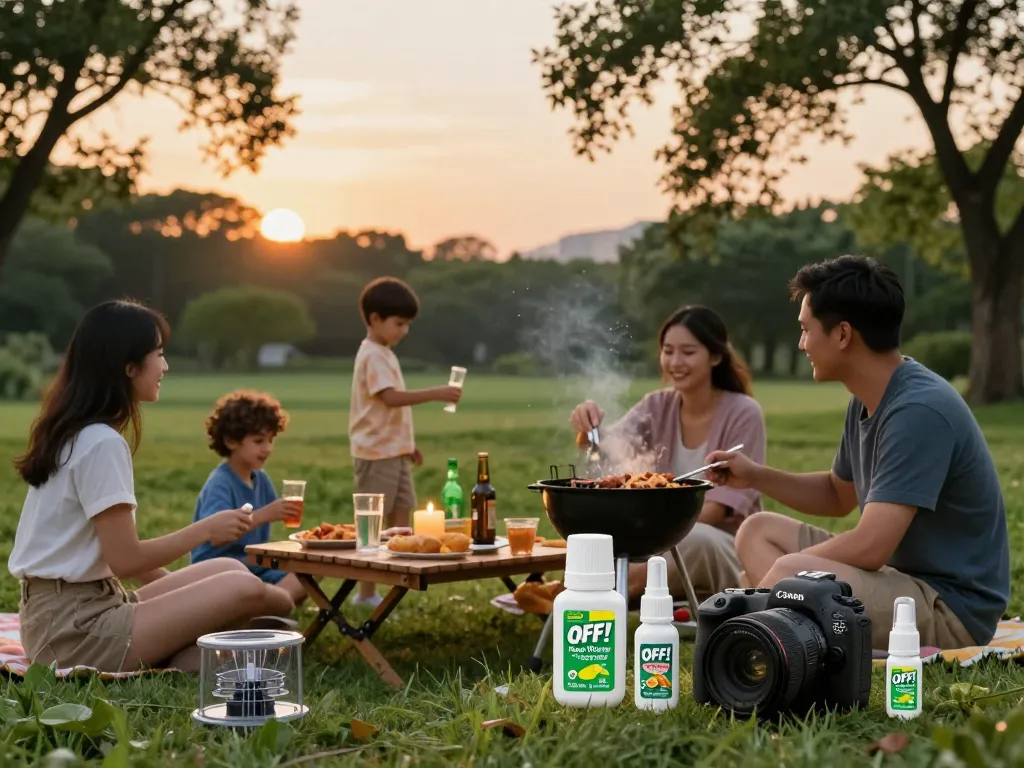
Top 10 Best Mosquito Repellents in 2026
As the weather warms up and outdoor activities become more frequent, the threat of mosquito bites looms larger than ever. Mosquitoes not only cause discomfort but can also carry diseases such as West Nile Virus and Zika. With this in mind, finding the right mosquito repellent is crucial for enjoying time outdoors without the nuisance of these pesky insects. In this comprehensive guide, we cover the Best Mosquito Repellent options for 2026, ensuring you have reliable protection tailored to your needs.
1. OFF! Deep Woods Insect Repellent: Best Overall
When it comes to reliable and effective protection, the OFF! Deep Woods Insect Repellent is a top choice. With a DEET concentration of 25%, this aerosol spray provides up to eight hours of protection against various biting insects, including mosquitoes and ticks. The dry formula ensures that you can enjoy your outdoor activities without feeling clammy or greasy.
2. Sawyer Insect Repellent: Runner-Up
Featuring a 20% concentration of Picaridin, Sawyer Insect Repellent offers up to 12 hours of protection and is an excellent alternative to DEET-based options. The lotion absorbs quickly and leaves no residue while providing effective shielding against mosquitoes, making it ideal for camping trips or outdoor events.
3. Repel 100: Maximum Strength Options
For those who require the strongest protection, Repel 100 delivers with a staggering 98.11% DEET concentration. This formulation is perfect for severe mosquito exposure while hiking in wetlands or travels to areas where mosquitoes are known to carry diseases. It is essential to follow the application directions closely due to the high concentration, but the protection it provides is unmatched.
How We Picked the Best Mosquito Repellents
Evaluation Criteria: Ingredients and Efficacy
Our selection process was thorough, focusing on the active ingredients and overall efficacy of each product. We prioritized formulations that have been scientifically tested and have garnered positive feedback from consumers. Different scenarios were taken into account, ensuring our picks cater to a range of outdoor activities and regional mosquito populations.
User Reviews and Real-World Testing
Analyzing user reviews is vital for understanding how well a product performs under real-life conditions. We considered feedback from individuals who used these repellents in various climates and environments. This helped us identify which products consistently deliver on their promises of protection.
Expert Recommendations and Safety Considerations
We consulted pest control experts to gain insights into safe and effective mosquito repellents. Safety is paramount, especially for families with children or individuals with sensitive skin. Our list includes options that minimize chemical exposure while still providing robust protection.
How to Choose the Best Mosquito Repellent
Understanding Active Ingredients: DEET vs. Picaridin
The two most recognized active ingredients in mosquito repellents are DEET and Picaridin. DEET has been a long-standing standard for effectiveness, while Picaridin offers a similar efficacy without some of the drawbacks, such as odor and material compatibility. Understanding your specific needs will help you choose the best option.
Determining Duration of Protection Needs
How long you need protection varies greatly based on your activity and environment. If you're planning a casual evening on the patio, a shorter-lasting repellent might be sufficient. In contrast, for extended outdoor adventures like hiking or camping, opt for products with prolonged effectiveness, generally lasting from four to twelve hours depending on the concentration.
Assessing Skin Sensitivity and Age Factors
Different formulations cater to different skin sensitivities. For example, children may require gentler, DEET-free options. When selecting a repellent, consider any allergies and sensitivities to ensure everyone in the family can enjoy the outdoors safely.
Common Misconceptions About Mosquito Repellents
Are Natural Mosquito Repellents Effective?
There is a growing trend toward natural mosquito repellents that use essential oils as active ingredients. While these options may provide a pleasant scent and are safer for the skin, their effectiveness can vary significantly and often last shorter durations compared to chemical repellents.
Do Mosquito Bracelets and Patches Work?
Bracelets and patches provide an alternative for people reluctant to apply spray directly to their skin. Though they offer convenience, their effectiveness is generally limited compared to sprays. They are best utilized as supplemental protection rather than the primary defense against mosquitoes, particularly in heavily infested areas.
Indoor Solutions: Can Bug Zappers Replace Repellents?
Electric bug zappers attract and kill flying insects through a UV light and electrified grid. While they can reduce indoor mosquito populations effectively, they should not be solely relied upon as a replacement for topical repellents when venturing outdoors.
Frequently Asked Questions About Mosquito Repellents
Which mosquito repellent works best for adults?
For adults, formulations containing 20-30% DEET, such as OFF! Deep Woods or Repel 100, tend to provide dependable protection across various outdoor settings.
How often should I reapply insect repellent?
The frequency of reapplication depends on the product used. Typically, DEET and Picaridin can last anywhere from four to eight hours, while natural repellents might require reapplication every one to three hours.
What’s the best mosquito repellent for sensitive skin?
For those with sensitive skin, consider options with lower concentrations of chemicals or plant-based formulations like Picaridin or natural oils, as they usually have fewer harsh side effects than traditional DEET-based products.